

How to Choose a PCB Manufacturer in China: Start with Fit
Learning how to choose a PCB manufacturer in China starts with matching your design and production risks to evidence the supplier can provide. For OEM engineers and B2B purchasing teams, this guide explains what to request, how to compare quotations, and which checks to complete before releasing a production order.
The right supplier can explain how your board will be built, identify unresolved requirements, and demonstrate a repeatable route from prototype to production. A low unit price is useful only when the quoted construction, inspection, documentation, and delivery scope match your needs. Begin with technical fit, then evaluate quality controls, communication, and total delivered cost.
Use three decision gates: a written feasibility review, a representative sample build, and an agreed production release. A supplier should pass all three before receiving a critical volume order. Procurement can manage commercial comparisons, but engineering and quality should approve the technical baseline and acceptance criteria.
XinshunPCB is a PCB manufacturer offering bare board fabrication and turnkey assembly services. This guide provides a practical supplier evaluation framework; specific materials, tolerances, certifications, and delivery commitments should always be confirmed for the quoted project.
Before the first supplier call, ask your team to name the consequences of a missed requirement. A cosmetic defect, an assembly fit problem, and an intermittent field failure do not carry the same risk. Use that distinction to prioritize the evidence you request. Document any assumptions about operating temperature, mechanical stress, service life, and production demand, then let engineering decide which belong in the purchase specification. This keeps the evaluation focused on your product rather than generic marketing claims.
Create a shortlist around your application rather than a generic ranking of factories. A simple controller board, a high-current power board, and a dense HDI interconnect require different process evidence. The best match is the supplier whose routine production experience overlaps with your critical requirements and whose exceptions are clearly documented.
Build One Complete RFQ Package Before Comparing Suppliers
Send every candidate the same revision-controlled request for quotation. Incomplete files encourage assumptions, and different assumptions produce prices that look comparable but cover different deliverables. Identify one authoritative drawing revision and list which file controls if the fabrication drawing and manufacturing data disagree.
- Gerber or ODB++ manufacturing data, drill files, board outline, dimensions, and fabrication notes.
- Layer stackup, finished thickness, copper requirements, surface finish, and material specifications.
- Impedance targets and tolerances, special via structures, slots, and mechanical constraints.
- Prototype and production quantities, delivery destination, required dates, and packaging needs.
- Acceptance requirements, inspection records, traceability, and any application-specific qualification.
For assembly, add the BOM with manufacturer part numbers, approved alternatives, placement data, assembly drawings, and test instructions. Identify customer-supplied components and any programming, coating, or box-build work. A bare-board quotation cannot be compared directly with a turnkey PCBA quotation.
Separate mandatory requirements from preferences. For example, specify whether an exact laminate is essential or whether an approved equivalent can be proposed. Record who may authorize substitutions. This gives the manufacturer room to suggest a practical alternative without silently changing the design intent.
Where confidential files are involved, agree the NDA and approved transfer channel before sharing the complete package. Ask how access is limited and how revisions are retired. The useful outcome is a controlled file set that both parties can refer to throughout quoting and production.
Match the Board Construction to the Manufacturing Process
A broad capability list is a starting point, not proof that every advertised minimum can be combined in one board. Ask the supplier to review your actual stackup and confirm which features fall within its normal production window. Identify features that need special tooling, extra lamination cycles, additional inspection, or development work.
For rigid PCB fabrication, discuss finished copper, trace spacing, drill aspect ratio, material availability, and thickness tolerances together. Heavy copper can affect fine-line processing. A dense layout may need different routing or via choices to remain repeatable at volume.
For HDI manufacturing capabilities, request a review of the buildup sequence, microvia structure, via filling, and the proposed qualification approach. A sample with the right layer count is not necessarily representative if its via structure differs from your design.
Flex and rigid-flex projects need bend-area and transition details in addition to electrical requirements. Metal-core projects need the thermal and insulation requirements defined. For SMT assembly capabilities, match package types and board handling needs to the inspection and test plan.
Use the manufacturing capability overview to prepare questions, then obtain written project-specific confirmation. Ask the engineer to identify the two or three highest manufacturing risks. A clear explanation of constraints is more valuable than an immediate promise that every feature is easy.

Use our PCB manufacturing process guide to ask candidates how they review data, form layers, drill and plate connections, apply finishes, and verify the finished board. A process answer should connect to your actual stackup and acceptance plan.
Evaluate the DFM Response, Not Just the Quotation Speed
A useful DFM review turns manufacturing risks into decisions that your engineering team can approve. Ask for an issue list showing the affected feature, reason for concern, proposed change, and expected effect. Each item should have a clear status before fabrication data is released.
Consider a design with narrow solder-mask bridges and a fine-pitch connector. A meaningful response identifies the locations, explains the process concern, and proposes a specific opening or layout change. A generic message saying that the design has passed does not tell you what was checked.
Questions to ask during the engineering review
- Which drawing or data file will control production?
- Which features require a deviation or special process?
- What changes require written customer approval?
- How will approved changes appear in the final manufacturing package?
- Who closes technical questions before the production clock begins?
For impedance-controlled designs, request a proposed stackup and clarify whether trace adjustments require approval. For assemblies, include component orientation, polarity, accessibility for inspection, and test access. Keep design ownership clear: manufacturing advice supports your review but does not replace your product validation.
Measure response quality as well as response time. A supplier that asks targeted questions early may prevent more delay than one that quotes immediately and discovers the same issues after payment. Record the technical contact and escalation route before the first order.
Verify Quality Claims and Certificate Scope
Separate management-system certification, product acceptance requirements, personnel training, and project qualification. They answer different questions. An ISO logo does not demonstrate that a particular board meets your drawing, and an inspection photograph does not establish a certified quality-management system.
Request current certificate copies and check the legal entity, manufacturing address, scope, issuing body, and validity. Confirm that the site doing the work is covered. As ISO explains, certification is performed by external certification bodies; ISO itself does not issue certificates to companies.
For bare rigid boards, clarify the applicable performance and acceptance requirements. IPC distinguishes standards for bare boards and electronic assemblies: IPC-A-600 addresses bare-board acceptability, IPC-6012 addresses rigid-board qualification and performance, and IPC-A-610 addresses assembly acceptability. State the agreed revision and class in purchasing documents rather than relying on a general claim of IPC compliance.
Ask for a redacted example of the records that will accompany your order. Useful evidence can include inspection results, material identification, electrical test records, and a certificate of conformity tied to the shipment. Agree which records are routine deliverables and which require an additional test or report.
For regulated or demanding applications, involve your quality team in defining supplier approval. Industry-specific requirements should be reviewed against the actual product and supply-chain role. Do not assume that one certificate substitutes for your own qualification, customer approval, or required validation.
Agree Inspection, Testing, and Traceability Before Ordering
Inspection finds particular types of defects; it does not prove every aspect of product performance. Ask the supplier to map each important risk to a control and a record. For bare boards, discuss visual and dimensional checks, electrical continuity and isolation, and any specified coupon or microsection examination.
For assemblies, clarify the roles of solder-paste inspection, optical inspection, X-ray, and electrical or functional testing. X-ray can support assessment of hidden solder joints, but it is not a substitute for verifying what the finished product does. Functional testing requires defined procedures, limits, fixtures, and an agreed failure response.
Make traceability usable
Ask whether a shipped lot or serial number can be connected to the material lot, production revision, inspection results, and assembly component records where required. Define how long records must be retained and how quickly the supplier should retrieve them. Request a sample traceability report rather than a verbal promise.
For turnkey projects, review the assembly and component sourcing scope alongside fabrication. Agree approved purchasing channels, alternative-part approval, shortage handling, and treatment of unused materials. These details often influence repeatability as much as the bare board itself.
Finally, agree how nonconforming material is segregated and reported. Define who approves rework and deviations, how affected shipments are identified, and what information a corrective-action report should include. A practical escalation process reduces uncertainty when an issue occurs.
Compare Total Cost and Delivery on the Same Basis
A China PCB supplier quotation should be evaluated against a common specification and commercial scope. Build a comparison sheet that separates recurring unit cost from tooling, engineering, fixtures, testing, packaging, and transport. Ask each supplier to identify exclusions rather than hiding them in general terms.
| Comparison item | What to confirm |
|---|---|
| Technical baseline | Same revision, material, stackup, finish, and acceptance requirements. |
| One-time charges | Tooling, stencils, test fixtures, programming, and ownership. |
| Inspection scope | Tests, coverage, reports, and additional qualification costs. |
| Delivery basis | Production lead time, dispatch date, freight, and agreed trade terms. |
| Repeat orders | Price breaks, minimum quantity, material availability, and change control. |
| Failure handling | Containment, replacement or credit terms, and investigation responsibilities. |
Distinguish manufacturing lead time from arrival date. Confirm whether the clock starts after payment, engineering approval, material receipt, or another release condition. Components with uncertain availability can dominate an assembly schedule even when the PCB fabrication cycle is short.
Avoid comparing an expedited prototype price with a standard production quote. Ask for prices at realistic quantity breaks and separate the effect of changes in panel utilization or test setup. If a price is substantially lower, investigate the scope difference before treating it as a saving.
A useful sourcing decision considers the cost of engineering delays, incoming inspection, rework, replacement freight, and interrupted assembly as well as the purchase price. These costs are project-dependent; use your own historical data instead of assuming a universal percentage.
For a detailed breakdown of quotation inputs, review our PCB manufacturing cost factors guide before comparing supplier totals.
Use a Representative Prototype and Pilot Release
A prototype confirms important details, but a successful sample does not automatically demonstrate stable volume production. Select a qualification build that includes the difficult features of your actual design. If samples use different materials, tooling, or production routes, record those differences before accepting the result.
Define acceptance before shipment: dimensions, electrical checks, documentation, assembly fit, and application tests as appropriate. Retain a controlled reference sample and approved manufacturing files. Record failures and engineering changes so that the next build does not repeat the same uncertainty.
Use a pilot order to evaluate repeatability, documentation, packaging, communication, and schedule performance. Ask how the production route differs from the prototype route and whether the same approved construction will be maintained. For critical features, request suitable process evidence agreed by engineering and quality.
Release larger orders only when outstanding deviations have owners and closure dates. If the supplier proposes a material or process change after qualification, assess whether revalidation is needed. A staged release turns supplier selection into evidence gathered over time, rather than a decision based on one attractive sample.

Use a Supplier Scorecard with Mandatory Approval Gates
An internal scorecard helps purchasing, engineering, and quality compare evidence consistently. The example below is a starting framework, not an industry standard. Adjust the weights to your product risk, and treat mandatory requirements as pass/fail gates that cannot be offset by a low price.
| Evaluation area | Example weight | Evidence to record |
|---|---|---|
| Technical fit and DFM | 30% | Project review, approved stackup, closed engineering questions. |
| Quality and traceability | 25% | Verified scope, agreed test plan, retrievable records. |
| Prototype and pilot results | 20% | Acceptance results, corrective actions, repeatability. |
| Delivery and communication | 15% | Release milestones, escalation contacts, schedule evidence. |
| Commercial fit | 10% | Comparable total cost, payment terms, ownership and continuity. |
Score each area only when evidence is available. Mark missing information as unresolved instead of awarding a neutral score. A supplier that cannot meet a mandatory insulation requirement, material specification, or customer approval condition should remain unapproved regardless of its weighted total.
Before placing a repeat order, confirm the drawing revision, approved materials, delivery plan, and any changes since the previous build. Maintain a supplier record with open actions, performance history, and the latest agreed requirements. For long-running OEM programs, this record makes future decisions faster and more consistent.
Related PCB Products


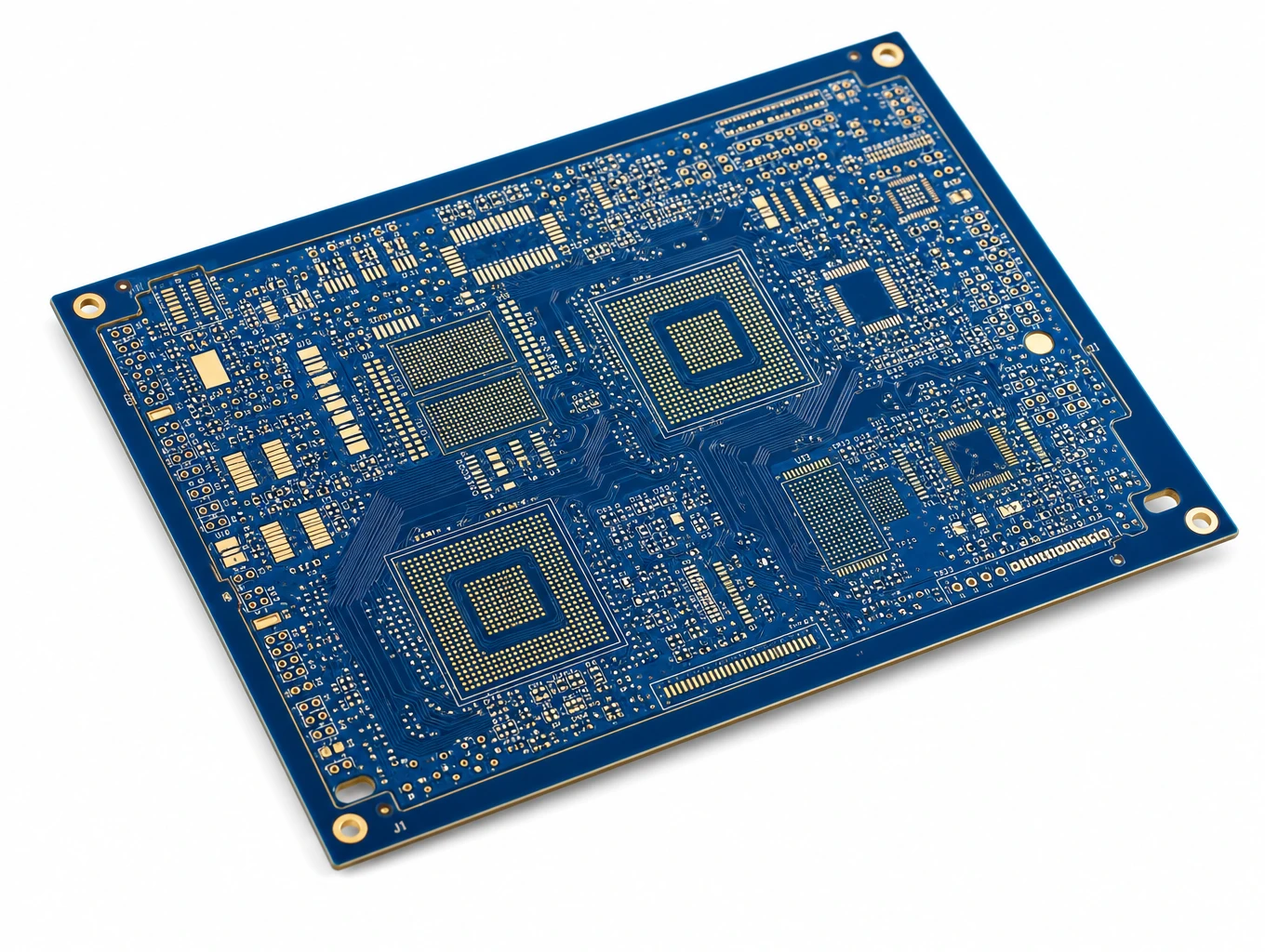
Related Industry Solutions

Industrial & Power Electronics
Engineered to withstand massive electrical currents, thermal stress, and continuous mechanical vibration. XinshunPCB delivers IPC Class 3 heavy copper boards, high-thermal metal-core solutions, and turnkey SMT assemblies for grid-scale energy storage, industrial robotics, motor drives, and solar inverters.
Explore Solutions
Medical Equipment
From patient monitoring and diagnostic instruments to medical imaging systems, XinshunPCB provides custom PCB fabrication and PCBA assembly for healthcare equipment. We help you align board materials, circuit layouts, and assembly requirements with your application, supporting development from initial prototypes to production.
Explore Solutions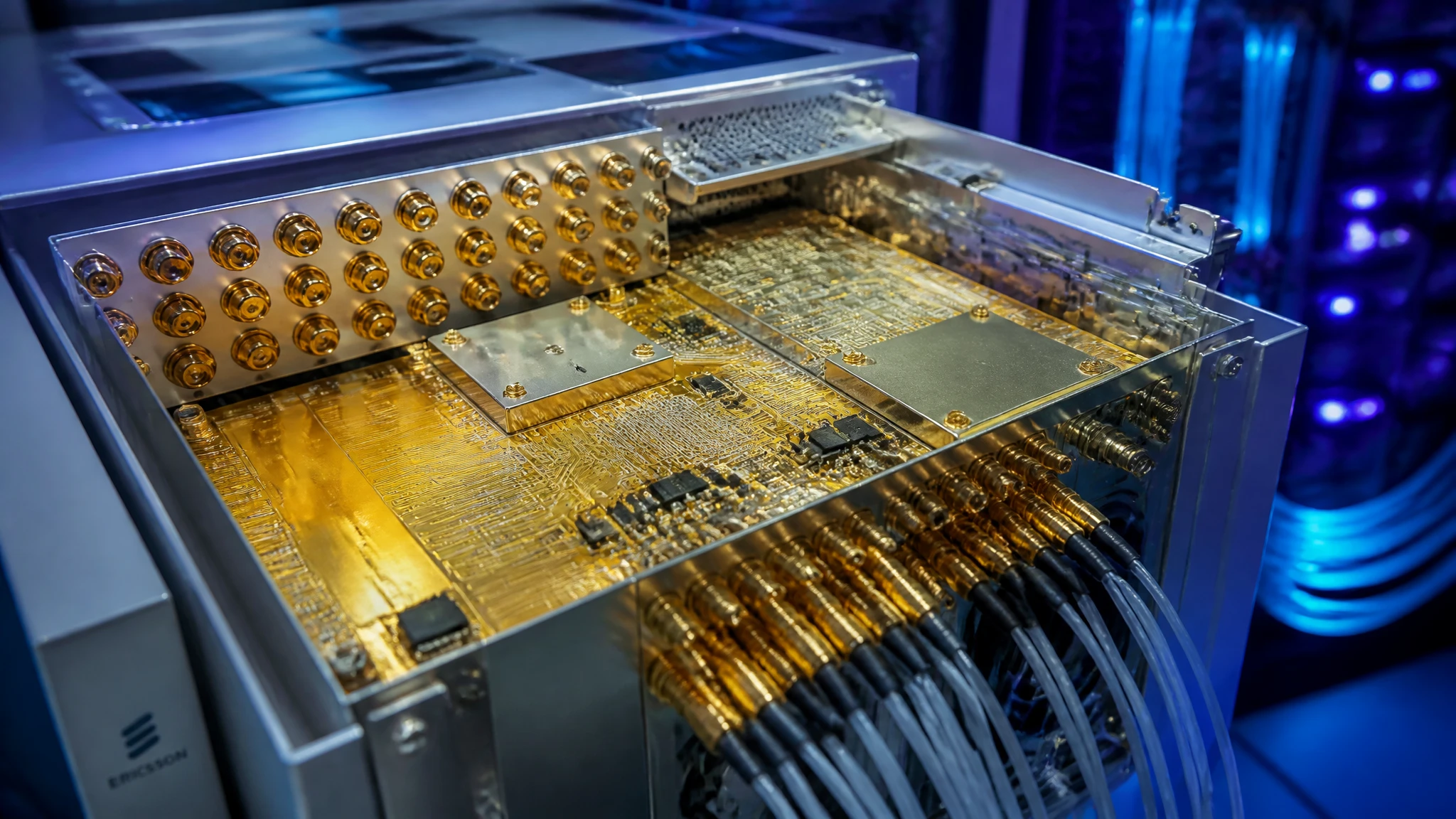
Telecommunications & IoT
From wireless gateways and connected sensors to networking equipment, XinshunPCB supports custom PCB fabrication and assembly for communication hardware. Align materials, stackups, compact layouts, and production testing with your application, from initial prototypes to repeat production.
Explore Solutions Industrial & Power Electronics
Engineered to withstand massive electrical currents, thermal stress, and continuous mechanical vibration. XinshunPCB delivers IPC Class 3 heavy copper boards, high-thermal metal-core solutions, and turnkey SMT assemblies for grid-scale energy storage, industrial robotics, motor drives, and solar inverters.
Explore Solutions Medical Equipment
From patient monitoring and diagnostic instruments to medical imaging systems, XinshunPCB provides custom PCB fabrication and PCBA assembly for healthcare equipment. We help you align board materials, circuit layouts, and assembly requirements with your application, supporting development from initial prototypes to production.
Explore Solutions Telecommunications & IoT
From wireless gateways and connected sensors to networking equipment, XinshunPCB supports custom PCB fabrication and assembly for communication hardware. Align materials, stackups, compact layouts, and production testing with your application, from initial prototypes to repeat production.
Explore SolutionsFrequently Asked Questions
Conclusion: Qualify the Process Before Scaling the Order
Choosing a manufacturer is a sequence of documented decisions: define the requirements, review technical fit, verify quality evidence, compare equal scopes, and validate the production route. Keep engineering and procurement aligned around the same approved revision and measurable acceptance criteria.
XinshunPCB supports discussions across fabrication and assembly requirements. Start with your board construction, quantities, application, and target schedule, then agree the files and evidence needed for review. Request a PCB manufacturing quotation to discuss your project with the team.