
Microvia PCB Reliability Starts with a Qualified Construction
Microvia PCB reliability depends on the complete interconnect construction, the manufacturing process and the thermal conditions the board will experience. A room-temperature continuity pass alone does not establish that the connections will survive assembly and service. For a B2B purchase, define the via structure, agree the qualification evidence and keep production traceable to the approved build.

For custom HDI PCB manufacturing, ask the supplier to review the stackup and via map before layout release. The most useful question is not whether the supplier can make a small hole. It is whether the proposed connection, material combination and process route have evidence relevant to your application.
This guide focuses on the engineering and purchasing decisions behind that evidence. It explains what to request, how to compare reports and when a design or process change deserves another review. It does not assign a universal safe stack count, guaranteed operating life or pass/fail threshold to every HDI board.
Why a Board Can Pass Continuity and Still Need Further Evaluation
An electrically connected microvia at room temperature may still contain an interface vulnerable to thermal stress. Happy Holden’s technical account of the IPC microvia warning describes latent failures associated with weak interfaces and explains why monitoring resistance during thermal exposure can reveal behavior that a room-temperature check misses. That historical account is a reason to define suitable testing, not a current acceptance specification for every order.
Separate three questions in the purchase review: does the bare board match the released electrical data; does the proposed construction withstand the agreed assembly exposure; and what evidence supports its intended operating environment? A report that answers the first question should not silently stand in for all three.
When a supplier provides a pass certificate, request the underlying scope. Identify the tested structure, sample origin, test conditions, monitoring method and acceptance rule. A generic statement such as “electrical test passed” leaves the buyer unable to determine which failure mechanisms the test could detect.
The practical goal is to make the evidence interpretable before the order starts. Engineering should approve what the test is intended to demonstrate, while procurement should ensure the quotation includes the agreed deliverables.
Review Geometry, Interfaces and Via Construction Together
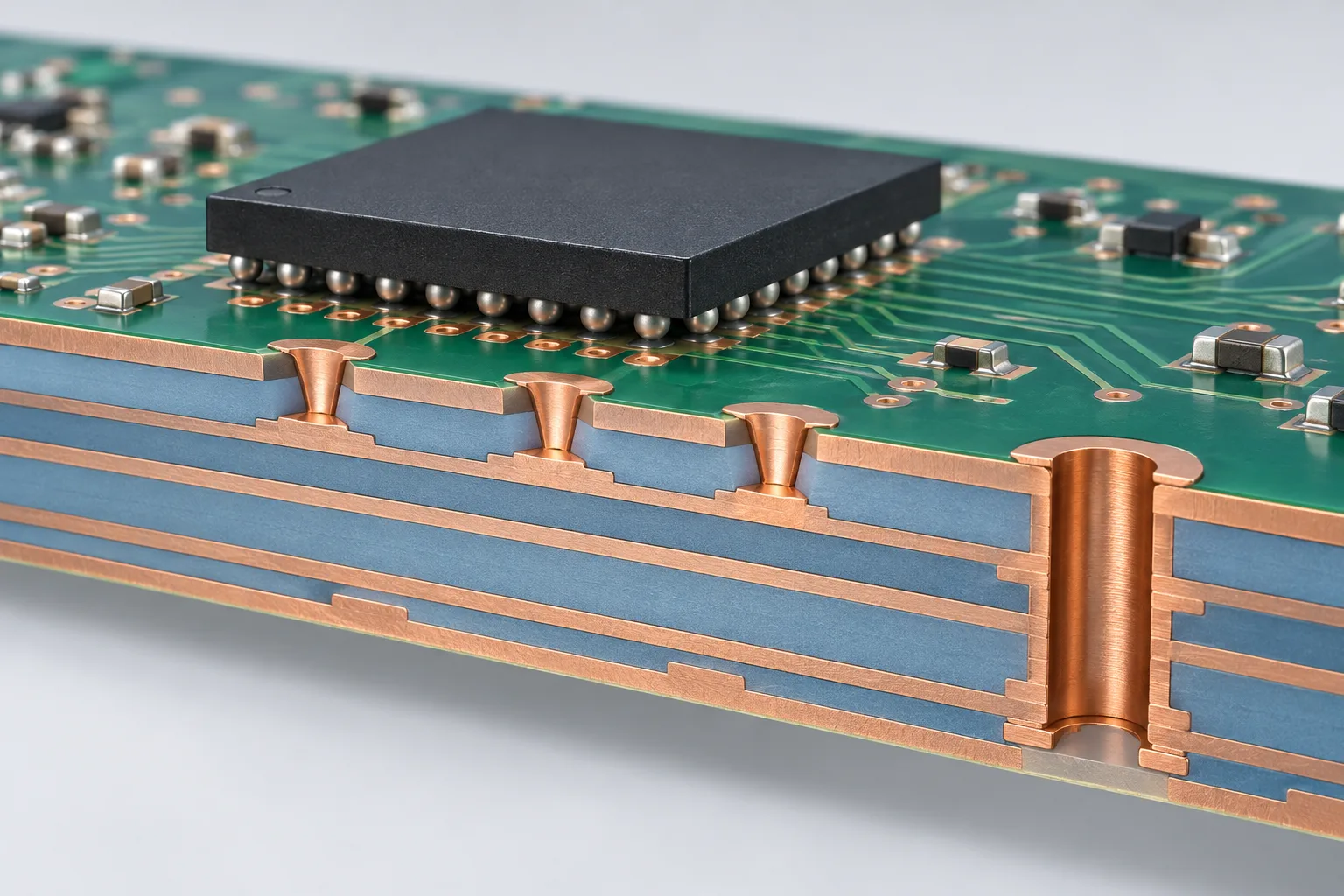
Altium’s microvia design guide identifies geometry, copper deposition, voids and the arrangement of microvias as reliability considerations. Thermal expansion differences can load the copper interconnect and its interfaces. A dimensional capability therefore needs to be considered with the material system and manufacturing process, rather than read as an independent guarantee.
Start with a numbered stackup and label each via family. Record the layers it connects, dielectric thickness, proposed hole geometry, landing pads and filling or capping requirements. The HDI design review checklist provides the broader construction context.
| Review item | Question for the supplier | Required output |
|---|---|---|
| Via geometry | Is the proposed combination within the reviewed process window? | Approved via-family drawing |
| Stacked interfaces | What evidence covers this layer-transition structure? | Construction-specific qualification scope |
| Fill and cap | What treatment and surface condition are specified? | Documented process and acceptance requirements |
| Material system | Does the evidence use the intended laminate combination? | Material identification and approved substitutions |
| Assembly exposure | What thermal sequence does the evaluation represent? | Agreed preconditioning and stress plan |
Use the via-in-pad fabrication guide when a microvia also forms part of a component land. A surface suitable for soldering and a connection qualified for the required exposure are related requirements, but one does not automatically prove the other.
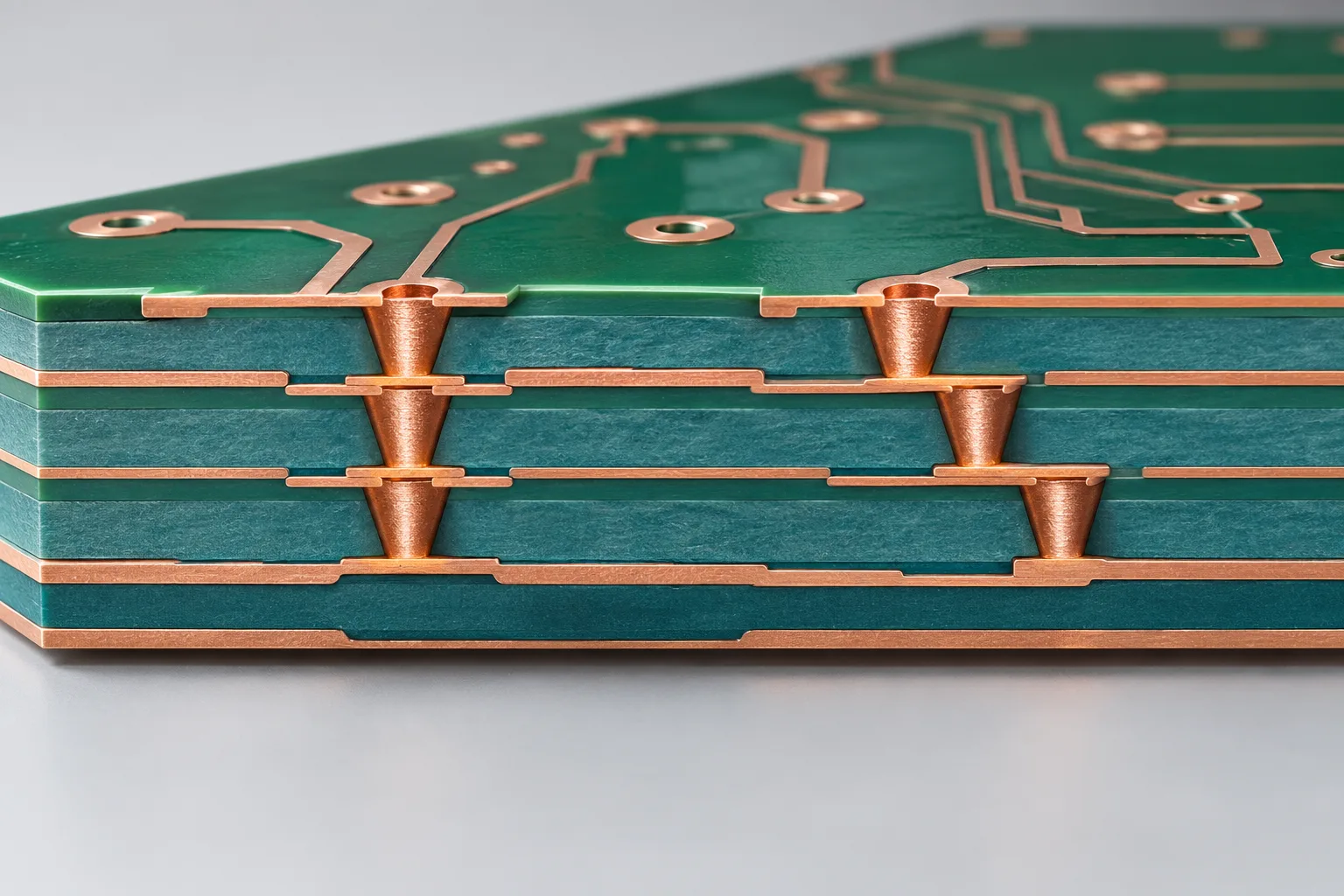
Treat Stacked and Staggered Microvias as Design Choices to Verify
Neither the word “stacked” nor the word “staggered” is a complete reliability verdict. Compare constructions that can actually meet the routing and mechanical requirements, then review the evidence for each proposed manufacturing route. A rule copied from another board may address a different material system or service environment.
The stacked and staggered microvia comparison explains the routing tradeoffs. This article adds the purchasing question: which qualification records cover the option being quoted, and what differences remain between the test vehicle and the production board?
A 2024 imec study presented at SPCD evaluated high-density PCB assemblies and emphasizes the importance of design, manufacture and assembly in assessing the configurations studied. Such research supports a construction-specific review. It should not be converted into a blanket approval for an unrelated commercial board.
Ask the fabricator to identify the closest qualified structure and list the differences in writing. If the proposal relies on an unfamiliar stack height, a new material combination or a different process route, agree how those differences will be evaluated. Do this while the design can still accommodate alternatives.
Build a Qualification Plan Around the Actual Thermal History
Begin with the product requirements and the planned assembly sequence. Record the intended reflow operations, any permitted rework, handling constraints and relevant service-temperature exposure. The responsible engineering team should turn those inputs into an agreed evaluation plan with the fabricator, assembler and test provider.

The plan should identify the test-method revision, specimen construction, preconditioning, stress sequence, measurement intervals and acceptance criteria. Where the concern is intermittent continuity during heating, specify how resistance will be monitored during the relevant exposure, rather than relying solely on measurements before and after it.
A daisy-chain coupon is useful only when its features and processing are relevant to the board under review. Ask which via families it represents, where it sits in the production panel and how the report links it to the manufacturing lot. Do not accept a visually similar coupon as equivalent without a technical comparison.
Also distinguish qualification from routine lot acceptance. Qualification assesses a defined construction and process under an agreed plan; routine acceptance checks whether production meets the specified controls. Neither should be presented as a guarantee of every field-use condition. Keep the two scopes explicit in the order and the release checklist.
Read Test Reports as Evidence, Not Just Pass Certificates
A useful report lets another engineer reconstruct what was tested. It should name the board or coupon revision, sample identifiers, test method, equipment or laboratory reference, exposure conditions and the criteria used to reach the result. Request the relevant resistance records and inspection images when they form part of the agreed deliverable.
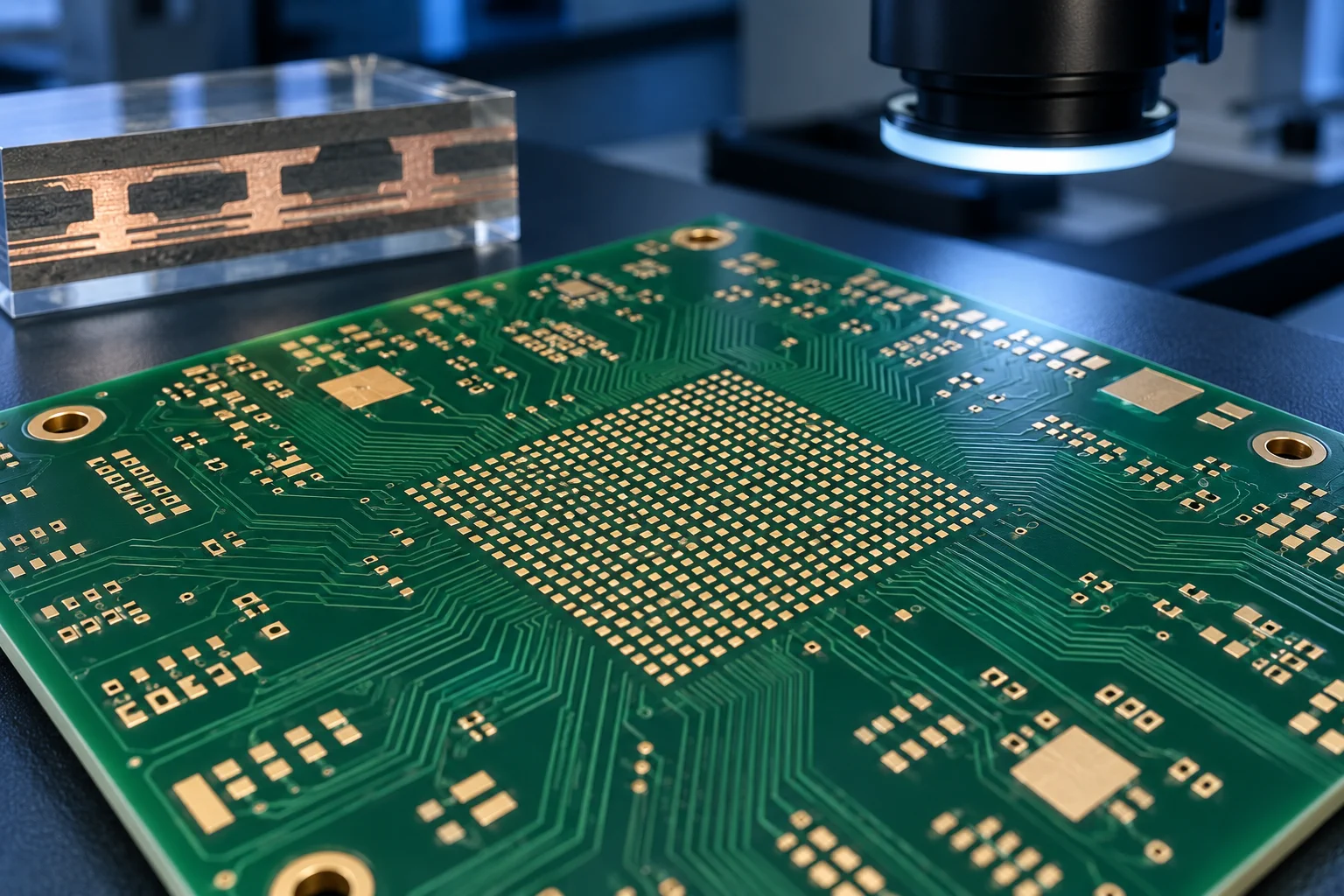
For microsections, ask which structure, location and processing stage the image represents. A polished cross-section documents the sampled plane; it is not a complete view of every connection on every production board. Interpret it alongside the other evidence in the acceptance plan.
If results contain exceptions, resolve them before shipment approval. Record whether a measurement was invalid, a specimen failed or a retest followed a process change. A replacement pass sheet without the original exception history makes it difficult to assess what improved and whether production received the same correction.
Assembly inspection is a separate part of the quality plan. The PCBA test coverage guide explains the roles of AOI, X-ray, in-circuit and functional testing. Ask what each method actually covers; an assembly inspection report should not be relabeled as proof of bare-board microvia endurance.
A simple procurement rule helps: every required report must have an owner, a delivery point and an approval decision. If a report is needed before series production, it should not first appear after the shipment has left the factory.
Keep Production Traceable to the Approved Process
Once engineering accepts a construction, preserve the link between that approval and the boards delivered. Record the final stackup, via map, approved materials, fabrication revision and agreed process route. The order should identify which records accompany each lot and how exceptions require approval.
Agree a change-notification rule before repeat production. Changes to the material system, via geometry, layer transitions, filling approach or production route should trigger a technical review. The responsible parties can then decide whether the existing evidence remains relevant or additional evaluation is needed.
Prototype success is valuable information, but a prototype report is not automatically evidence for every later production configuration. Ask whether the same construction and controls apply at the intended volume. Keep approved deviations visible so a one-time concession does not silently become the default for future orders.
Cost reduction should follow the same discipline. The HDI quotation cost guide discusses comparing approved alternatives. If a cheaper option changes the construction or evidence scope, show that difference separately and obtain engineering approval before releasing it.
A B2B RFQ Checklist for Microvia PCB Reliability
Use the PCB quotation file checklist as the starting package, then include the reliability requirements below. The objective is a quotation that describes both the board and the evidence the buyer expects.
- Released manufacturing files and a consistent revision identifier.
- Numbered stackup, material system, copper and dielectric requirements.
- Via-family map with layer spans, geometry, filling and capping details.
- Planned assembly thermal history and relevant operating requirements.
- Applicable acceptance documents with the agreed revisions.
- Proposed qualification specimens, test scope and acceptance criteria.
- Required lot records, report delivery dates and approval responsibilities.
- Rules for substitutions, deviations and process-change notification.
Ask for two clearly separated responses: manufacturing feasibility and the proposed evidence package. If a test requires an external laboratory, confirm the scope, scheduling, cost and responsibility in advance. Do not assume that a general capability page includes a particular qualification service in every quotation.
XinshunPCB’s published HDI manufacturing capabilities provide a starting point for discussing build-up structures and microvia options. Send the actual stackup and via map for review. Capability-table limits are planning references; the combination of features, acceptance requirements and project conditions still needs confirmation.
For quotation comparison, keep the board specification and required evidence consistent across suppliers. A lower price with omitted qualification work is a different scope, not proof of equal reliability at a lower cost.
HDI PCB Examples for Your Construction Review


Applications That Need a Defined HDI Reliability Plan

Consumer Electronics
Bring connected consumer products from prototype to production with XinshunPCB. We support custom PCB fabrication and SMT assembly for wearables, smart-home devices, wireless audio and portable electronics, with material, component and test requirements reviewed around your design.
Explore Solutions
Medical Equipment
From patient monitoring and diagnostic instruments to medical imaging systems, XinshunPCB provides custom PCB fabrication and PCBA assembly for healthcare equipment. We help you align board materials, circuit layouts, and assembly requirements with your application, supporting development from initial prototypes to production.
Explore Solutions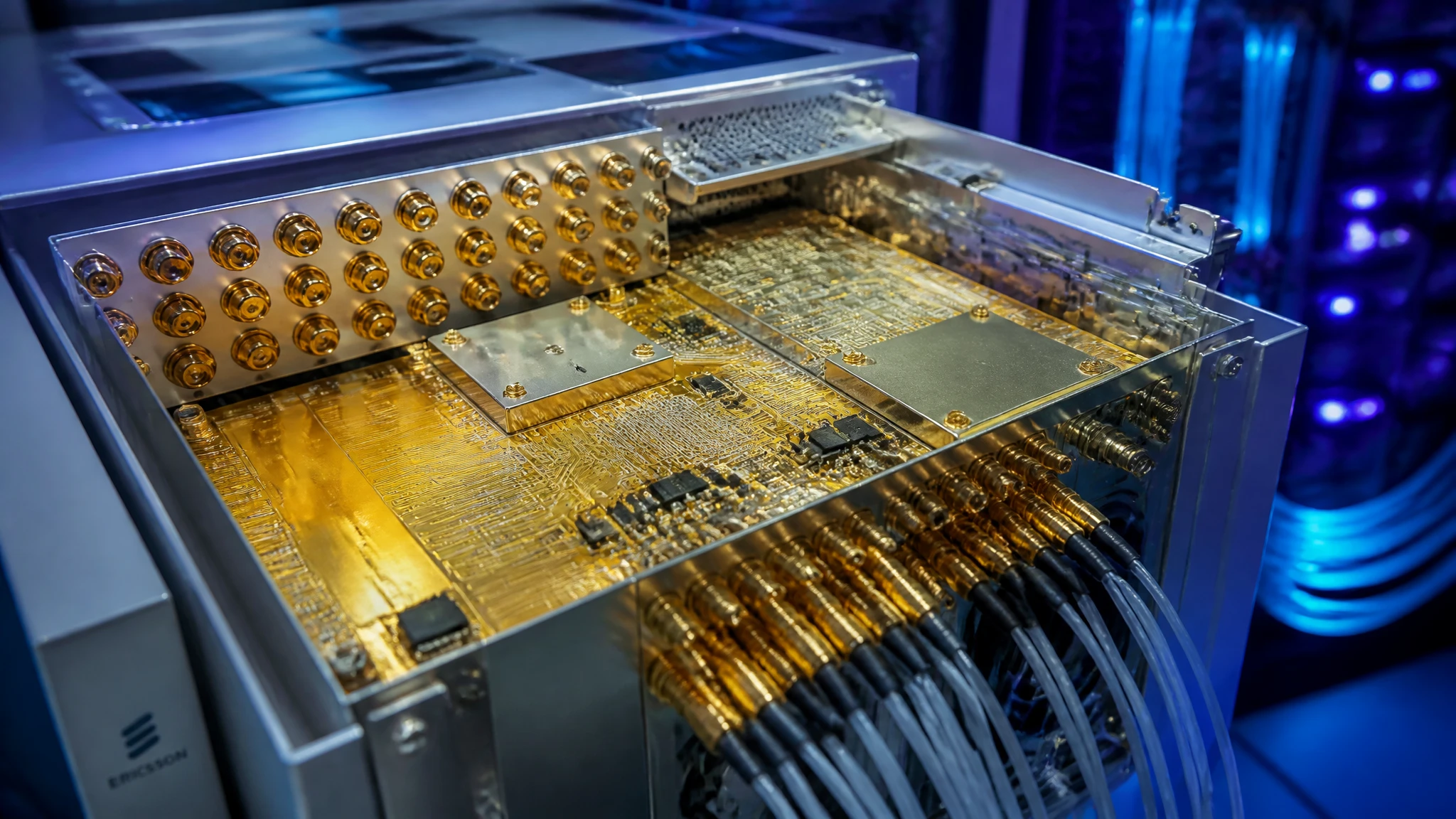
Telecommunications & IoT
From wireless gateways and connected sensors to networking equipment, XinshunPCB supports custom PCB fabrication and assembly for communication hardware. Align materials, stackups, compact layouts, and production testing with your application, from initial prototypes to repeat production.
Explore Solutions Consumer Electronics
Bring connected consumer products from prototype to production with XinshunPCB. We support custom PCB fabrication and SMT assembly for wearables, smart-home devices, wireless audio and portable electronics, with material, component and test requirements reviewed around your design.
Explore Solutions Medical Equipment
From patient monitoring and diagnostic instruments to medical imaging systems, XinshunPCB provides custom PCB fabrication and PCBA assembly for healthcare equipment. We help you align board materials, circuit layouts, and assembly requirements with your application, supporting development from initial prototypes to production.
Explore Solutions Telecommunications & IoT
From wireless gateways and connected sensors to networking equipment, XinshunPCB supports custom PCB fabrication and assembly for communication hardware. Align materials, stackups, compact layouts, and production testing with your application, from initial prototypes to repeat production.
Explore SolutionsMicrovia PCB Reliability FAQs
Practical answers for engineers and buyers reviewing HDI microvia qualification and production evidence.
Request a Construction-Specific HDI Review
Microvia PCB reliability becomes a manageable purchasing requirement when the construction, test scope and production records agree. Resolve uncertainty while engineering can still change the design, and make the accepted evidence part of the production release.
Send your stackup and via map for a project-specific HDI manufacturing review. Include the planned thermal exposure, quantities and required reports so the proposal can address feasibility, acceptance and quotation scope together.