


Copper-base MCPCB
A copper base spreads heat away from concentrated power sources. Compare thermal performance, weight, and machining requirements when selecting the base for high-power LEDs or power modules.
Copper heat spreading
Aluminum and copper-base circuits for LED lighting, power conversion, and automotive electronics. XinshunPCB helps match the metal base, thermal dielectric, and copper weight to your electrical, mechanical, and cooling requirements.
Request a Metal-Core PCB QuoteReview metal-base construction, fabrication, and thermal parameters for your design. The values below are planning references; final materials, dimensions, test conditions, and available combinations are confirmed by XinshunPCB during engineering review.
| Parameter | Specification |
|---|---|
| Metal base material | Aluminum (1060 / 5052 / 6061), Copper, Iron / stainless |
| Structure | Single-layer (1L), double-sided, multilayer metal-core, COB, copper-base sinkpad |
| Thermal conductivity (dielectric) | 1.0 / 2.0 / 3.0 W/m·K standard; up to approximately 7 W/m·K advanced |
| Dielectric thickness | 75 / 100 / 125 µm |
| Dielectric breakdown voltage | ≥ 3 kV (typical; material and test conditions to confirm) |
| Metal base thickness | 0.5–3.0 mm (typical: 1.0 / 1.5 / 2.0 mm) |
| Copper weight (finished) | 1–10 oz (35–350 µm) |
| Board thickness | 0.5–3.2 mm |
| Parameter | Specification |
|---|---|
| Minimum line width / space | 0.15 mm / 0.15 mm (0.10 mm advanced) |
| Minimum mechanical hole | 0.5 mm (0.30 mm advanced) |
| Maximum board size | Up to approximately 600 × 1200 mm (LED light bars) |
| Outline method | Routing, V-groove, punch, beveling |
| Outline tolerance | ±0.10–0.15 mm |
| Metal-base treatment | Anodizing, countersink, counterbore, bending |
| Parameter | Specification |
|---|---|
| Solder-mask colour | White (high-reflectivity for LED), Green, Black, Blue, others |
| Silkscreen colour | Black, White, others |
| Surface finish | OSP, HASL / lead-free HASL, ENIG, Immersion Silver / Tin, Electrolytic Gold, Gold fingers |
| Parameter | Specification |
|---|---|
| Thermal conductivity (dielectric) | 1.0–3.0 W/m·K standard; up to approximately 7 W/m·K |
| Thermal resistance | Depends on dielectric type, thickness, and heat-transfer area |
| Dielectric breakdown | ≥ 3 kV; Hi-pot test conditions to be agreed |
| Peel strength | ≥ 1.4 N/mm |
| Thermal shock | Solder float: 288 °C / 10 seconds |
| Flammability | 94V-0; confirm material recognition |
| Operating temperature | −40 °C to +140 °C (material dependent) |

Send your Gerbers, board outline, and thermal requirements to XinshunPCB. Our engineers will review the metal base, dielectric, copper weight, and manufacturability, then provide a quotation and DFM feedback for your project.
Request a Metal-Core PCB QuoteExplore copper bases, direct thermal paths, multilayer structures, and material options for LED and power electronics. Each construction is reviewed against heat flow, electrical isolation, and assembly requirements.
A copper base spreads heat away from concentrated power sources. Compare thermal performance, weight, and machining requirements when selecting the base for high-power LEDs or power modules.
Copper heat spreading
A dedicated metal thermal pad can connect a compatible component heat slug directly to the base. Define which pads are electrically isolated and review the package and assembly requirements.
Sinkpad / COB
Additional circuit layers combine routing space with a metal heat-spreading base. Review interconnects, dielectric isolation, and heat transfer through the complete stackup.
Multilayer structures
Select the dielectric using its thermal conductivity, thickness, and insulation performance. Higher-conductivity materials may reduce one part of the heat path; the full assembly still needs thermal review.
Thermal dielectric
Thicker circuit copper can support current distribution and heat spreading. Coordinate copper weight with line spacing, etching, soldering, and the allowable operating temperature rise.
High-current routing
An FR-4 circuit stack combined with a metal base can provide routing flexibility and structural heat spreading. Review the bonding system, expansion mismatch, and thermal interfaces.
Hybrid constructionSet the board acceptance criteria, material compliance requirements, and thermal and dielectric test plan before production. XinshunPCB reviews the applicable standard revision, acceptance class, and certification scope for each project.

Confirm material recognition

Quality management

Bare-board acceptance

Rigid-board performance

Material compliance requirements

Confirm automotive project scope

Assembly acceptance criteria

Medical quality requirements

Lot and material records
Agreed heat-transfer and Hi-pot tests
Explore PCB and assembly solutions for power conversion, automotive electronics, and other applications where heat management influences board design and reliability.
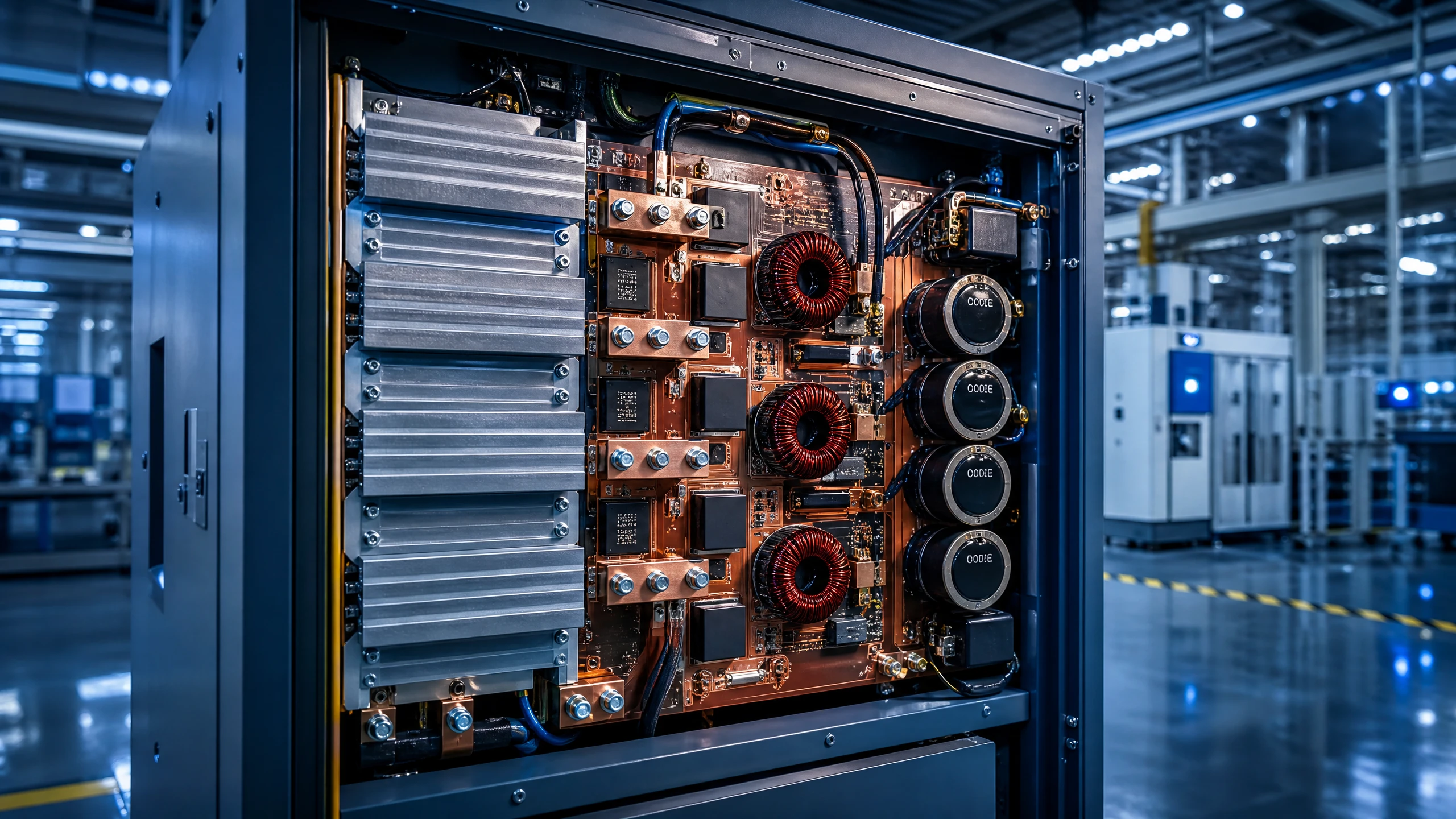
Engineered to withstand massive electrical currents, thermal stress, and continuous mechanical vibration. XinshunPCB delivers IPC Class 3 heavy copper boards, high-thermal metal-core solutions, and turnkey SMT assemblies for grid-scale energy storage, industrial robotics, motor drives, and solar inverters.
Explore Solution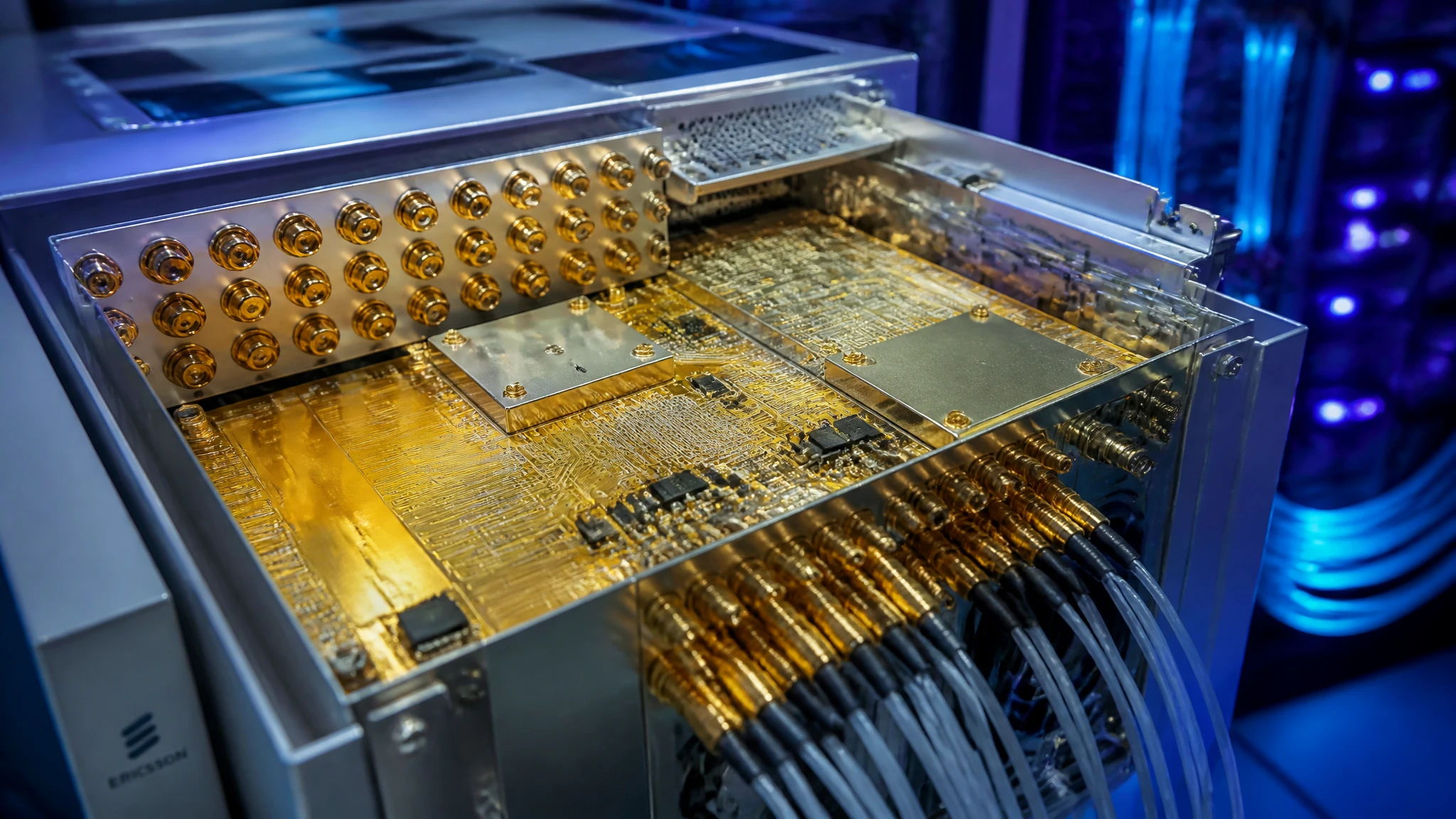
From wireless gateways and connected sensors to networking equipment, XinshunPCB supports custom PCB fabrication and assembly for communication hardware. Align materials, stackups, compact layouts, and production testing with your application, from initial prototypes to repeat production.
Explore Solution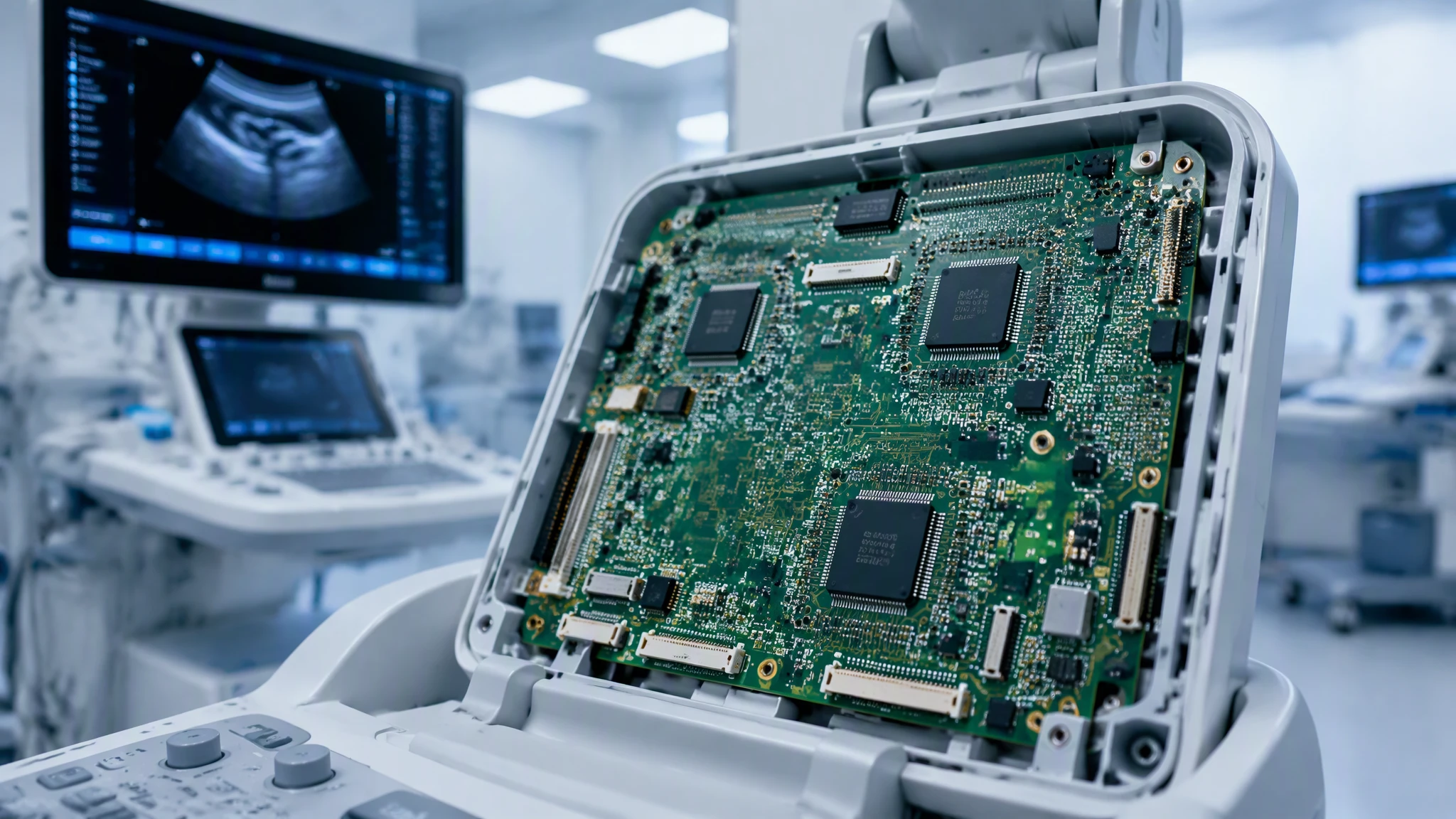
From patient monitoring and diagnostic instruments to medical imaging systems, XinshunPCB provides custom PCB fabrication and PCBA assembly for healthcare equipment. We help you align board materials, circuit layouts, and assembly requirements with your application, supporting development from initial prototypes to production.
Explore Solution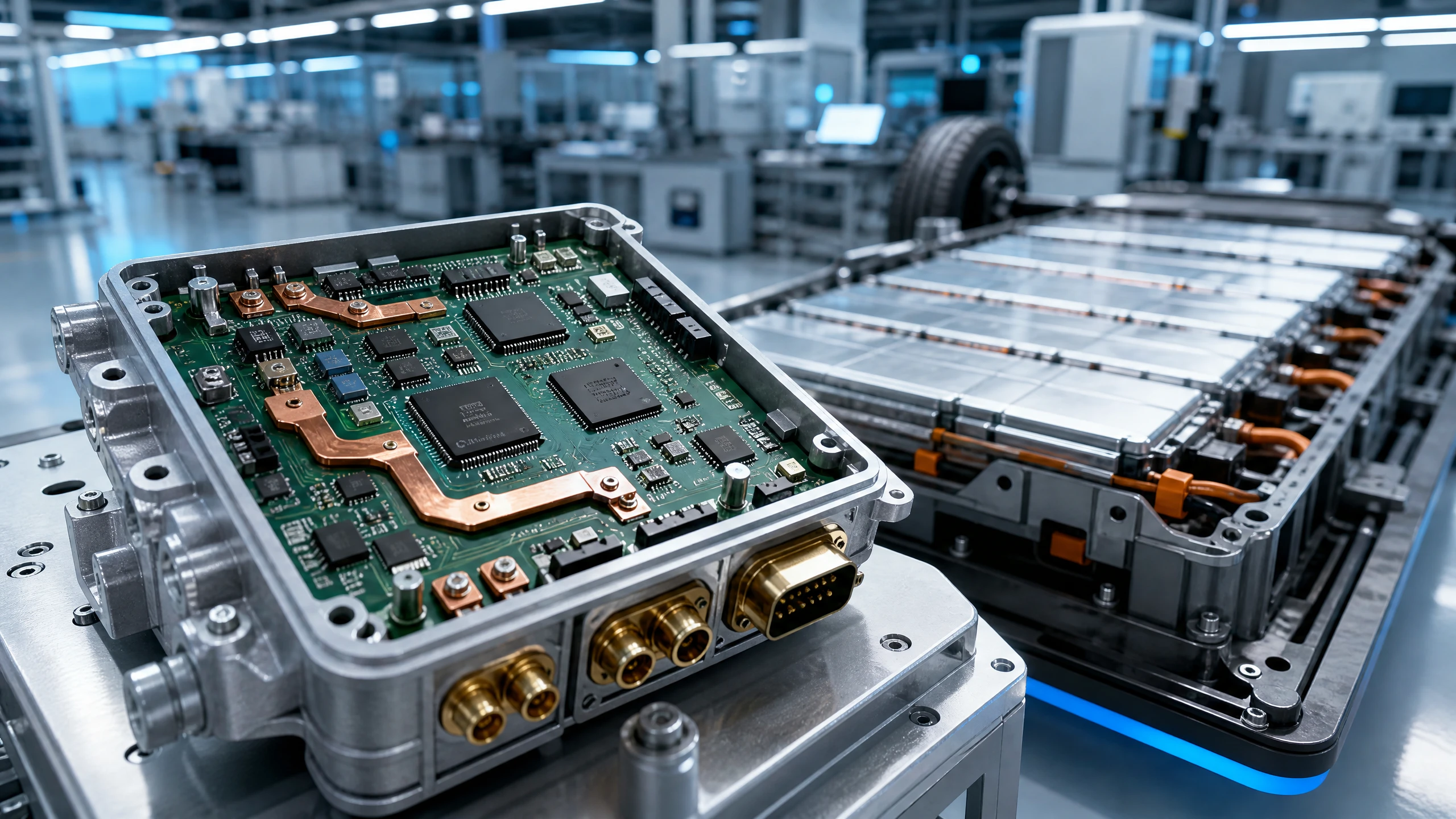
Engineered to withstand extreme mechanical shock, high-voltage switching surges, and thermal cycling from –40°C to +150°C. XinshunPCB delivers IATF 16949-aligned, IPC-A-610 Class 3 turnkey PCB fabrication and SMT assembly for electric vehicle (EV) powertrains, ADAS sensing, high-voltage BMS, and under-hood body control modules.
Explore SolutionFind practical answers about metal bases, thermal dielectrics, electrical isolation, multilayer structures, testing, and quotation requirements.

Have a new project or custom PCB requirements? Simply fill in your project details below. XinshunPCB’s FAE engineering team will analyze your specifications and deliver a detailed formal quotation along with free engineering advice within 2–24 hours.

Detailed formal quote & lead time provided within 2-24 hours.

Your contact info and project specs are kept strictly confidential.

Experienced FAE support to help optimize your specifications.
Need a reliable manufacturing partner for your next project? Our global support team is standing by.
Trusted by global integrators for PCB manufacturing, enterprise hardware, and high-reliability deployment solutions.