


Thermal Runaway & Substrate Delamination Under Continuous 200A+ Loads
High-power assemblies generate localized heat. Standard substrates can carbonize, blister, and fail under continuous current and thermal cycling.
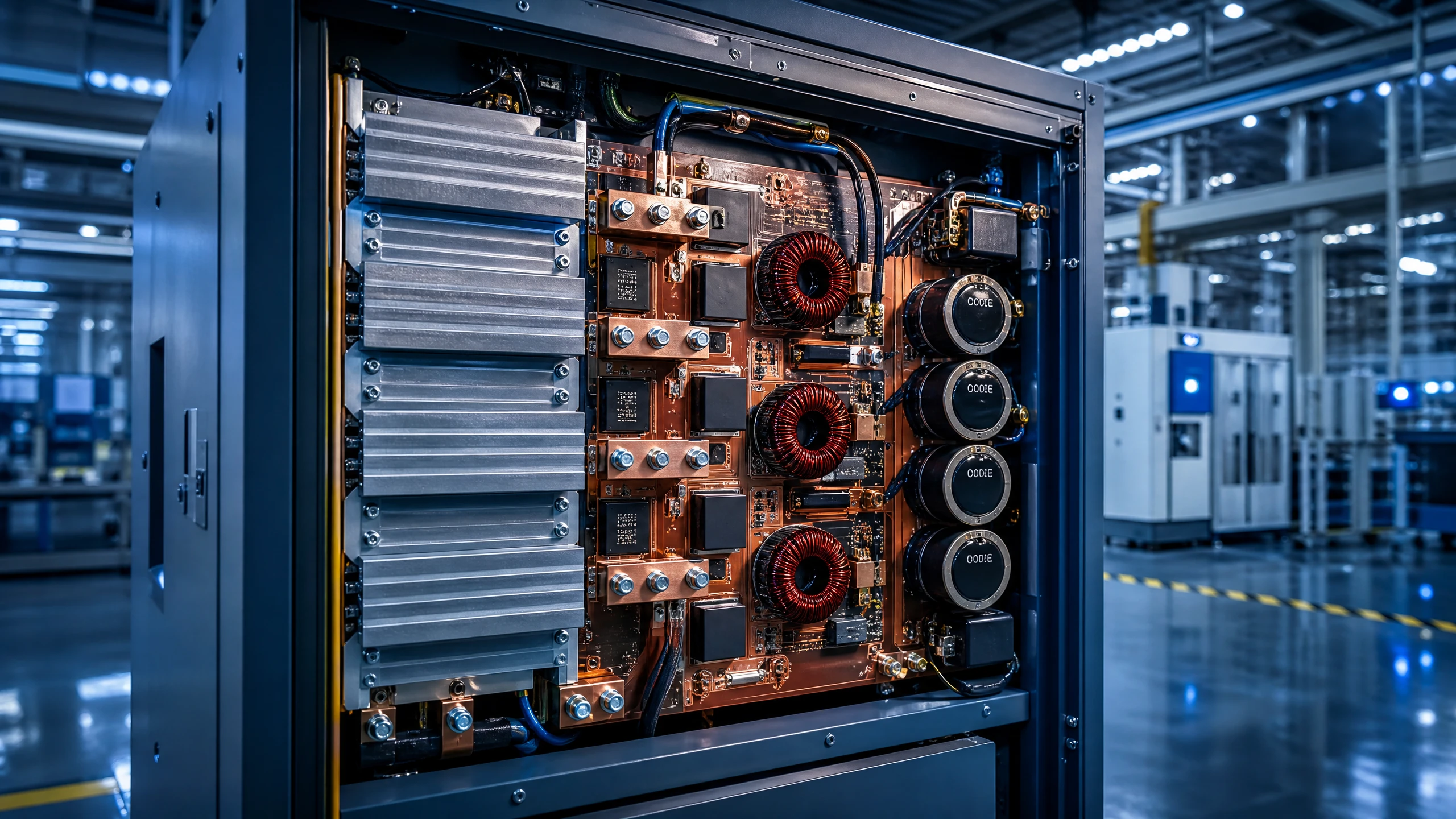
Engineered to withstand massive electrical currents, thermal stress, and continuous mechanical vibration. XinshunPCB delivers IPC Class 3 heavy copper boards, high-thermal metal-core solutions, and turnkey SMT assemblies for grid-scale energy storage, industrial robotics, motor drives, and solar inverters.
Request an Industrial Solution QuoteStandard commercial circuit boards quickly deteriorate under extreme thermal cycling, high continuous electrical loads, and severe mechanical vibration. XinshunPCB eliminates these mission-critical failure modes with ruggedized architectures, advanced engineering, and turnkey assembly.
High-power assemblies generate localized heat. Standard substrates can carbonize, blister, and fail under continuous current and thermal cycling.

Insufficient clearances and uncontrolled routing increase tracking and dielectric breakdown risk in high-voltage equipment.

Repeated shock, vibration, and thermal expansion can fatigue solder joints and create intermittent field failures.

Outdoor and mission-critical products need traceable components, protective finishes, and process controls that withstand harsh operating conditions.
Designed for continuous operation in severe electrical and mechanical environments, XinshunPCB provides high-current thermal management, IPC Class 3 zero-defect manufacturing, and full turnkey EMS integration to ensure long-term stability for industrial automation and power grid hardware.

SMT and THT assembly strictly executed under IPC-A-610 Class 3 standards. Solder-free Press-Fit terminal technology is used for high-current busbars, alongside automated RTV silicone staking on heavy through-hole components (inductors, transformers, and large capacitors) to resist severe vibration.
Prevents solder joint shear cracking and component detachment in heavy industrial robotics, mining automation, and CNC machine tools.

Precision CNC slotting and routing create physical dielectric air gaps between high-voltage conductors, meeting strict IEC/UL 60950 and IEC 61010 clearance rules. Combined with high CTI 600V laminates, assemblies withstand high-voltage isolation breakdown tests up to >4000V AC.
Eliminates surface electrical tracking and catastrophic arcing in 800V–1500V DC solar combiner boxes, EV fast-charging stations, and high-voltage power distribution units (PDU).

In-house processing of 4oz to 10oz (140–350 μm) heavy copper foil on High-TG 170/180°C FR4 laminates. Utilizing specialized multi-pass resin filling on inner-layer copper sidewalls and double-print solder mask technology, we eliminate solder bridges and exposed copper edges while conducting continuous 200A+ currents safely.
Prevents trace blistering, resin carbonization, and board delamination under heavy electrical loads in central solar inverters, energy storage BMS, and industrial motor drives.
Explore XinshunPCB ruggedized circuit architectures engineered for high reliability, severe thermal dissipation, dynamic motion, and harsh industrial operating environments.
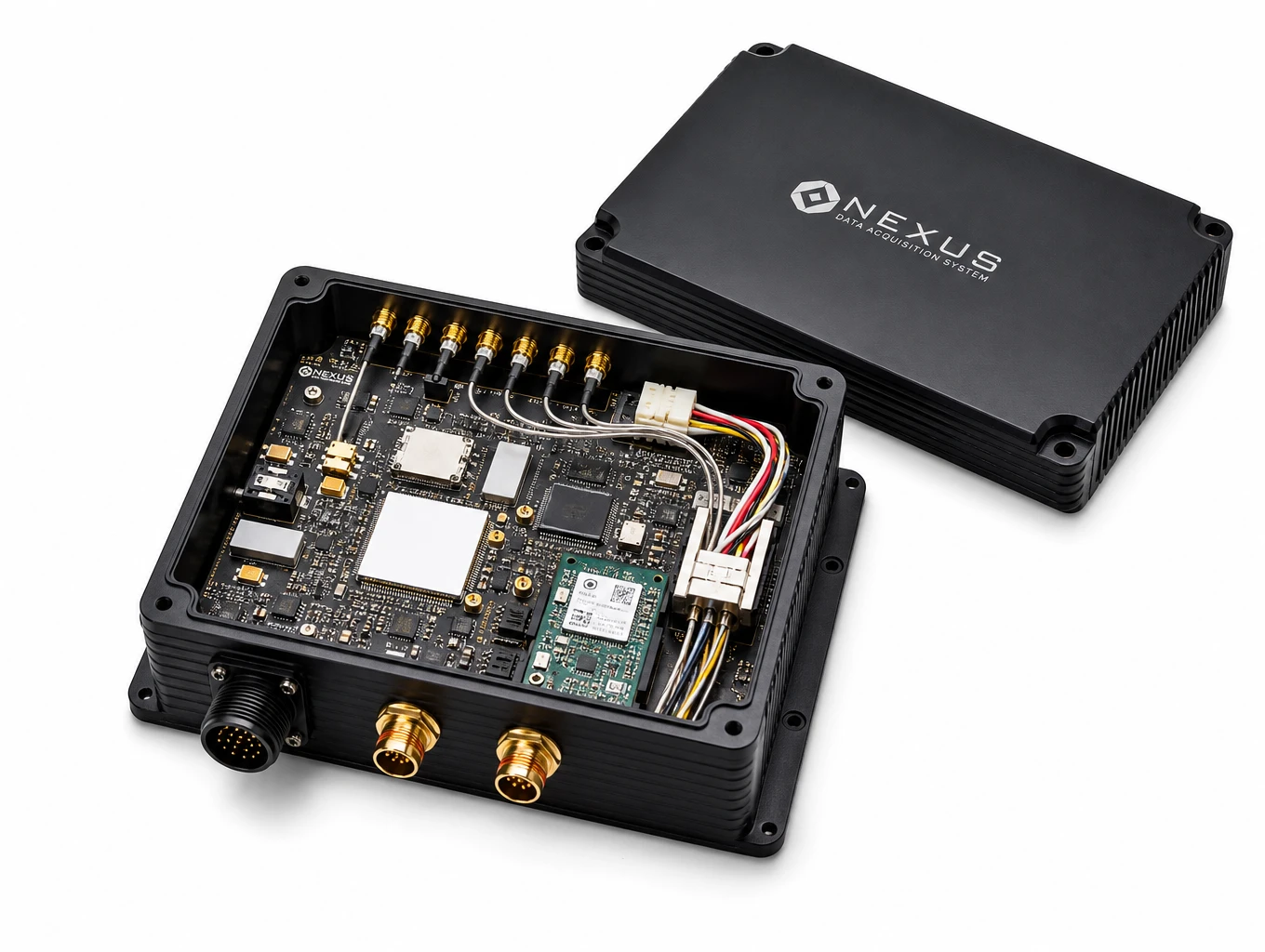
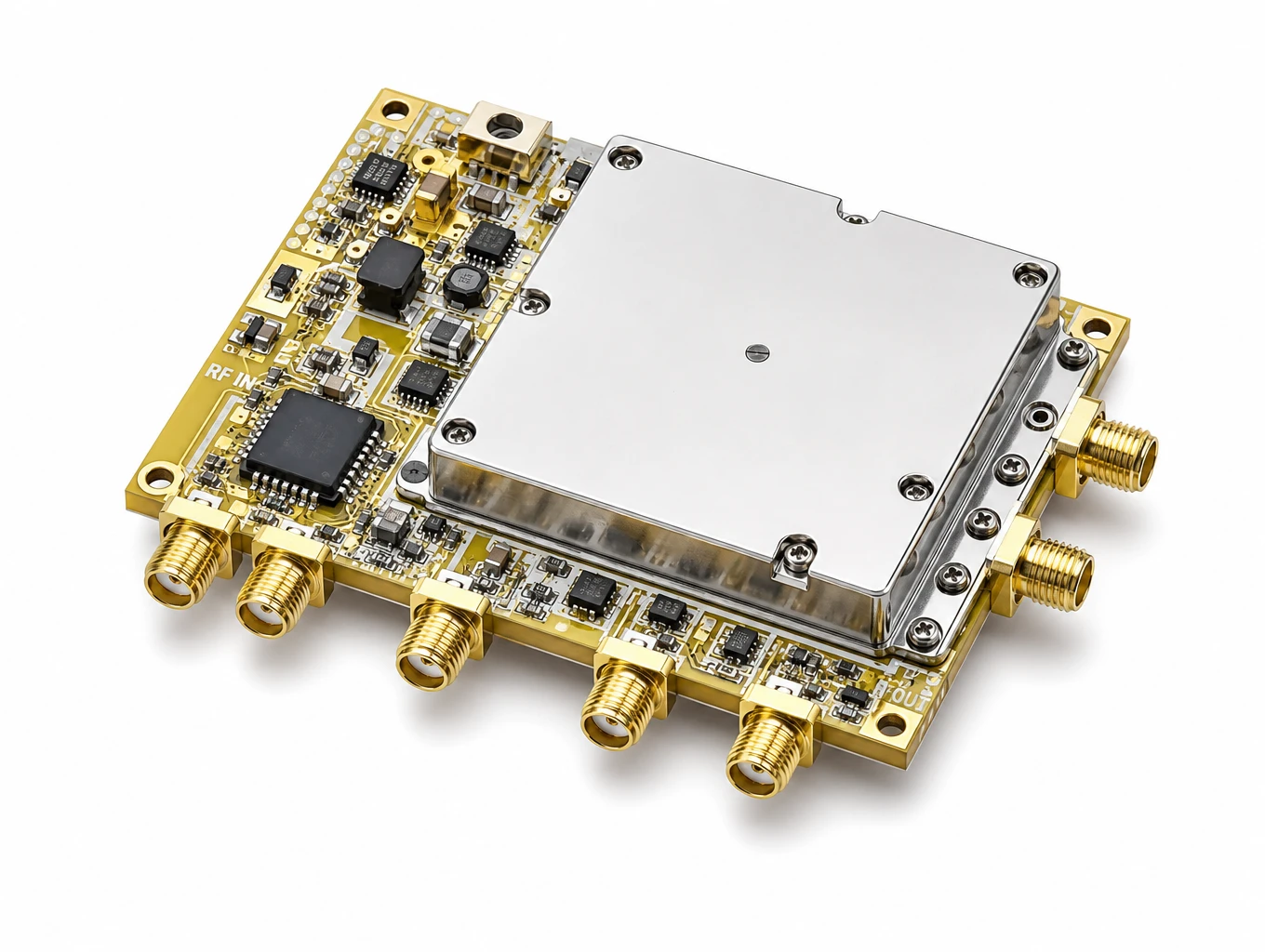
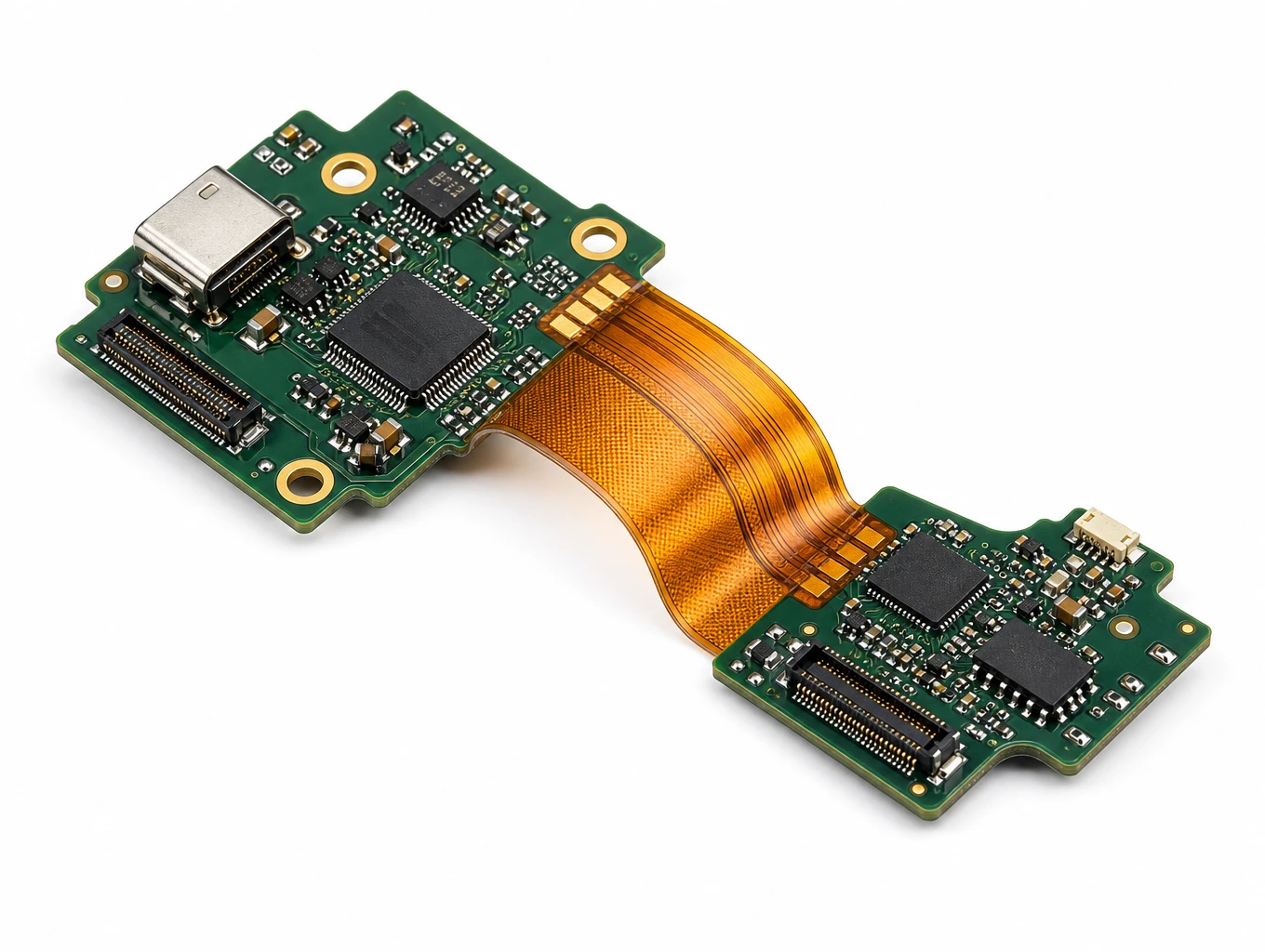

From standard FR-4 to demanding HDI, RF, metal-core, flex, and rigid-flex constructions, explore each capability in detail.

1-56 layers; FR-4, high-Tg, halogen-free; 3 mil line/space; up to 12 oz copper; controlled impedance.
View capability
1-12 layers; polyimide / PET; static and dynamic flex; stiffeners; ENIG and electro-gold finishes.
View capability
2-32 layers; rigid and flex zones in one board; IPC-6013; compact, high-reliability integration.
View capability
Any-layer; laser microvia 0.1 mm; 1+N+1 to 4+N+4; stacked and staggered vias; VIPPO.
View capability
Aluminium / copper / iron core; high thermal conductivity; LED, power, and automotive lighting applications.
View capability
SMT and mixed-technology assembly with component sourcing, inspection, testing, and integration planned around your design and BOM.
View capabilityBeyond this application, XinshunPCB delivers certified circuit fabrication and turnkey PCBA assembly engineered for zero-defect reliability across demanding global industries.
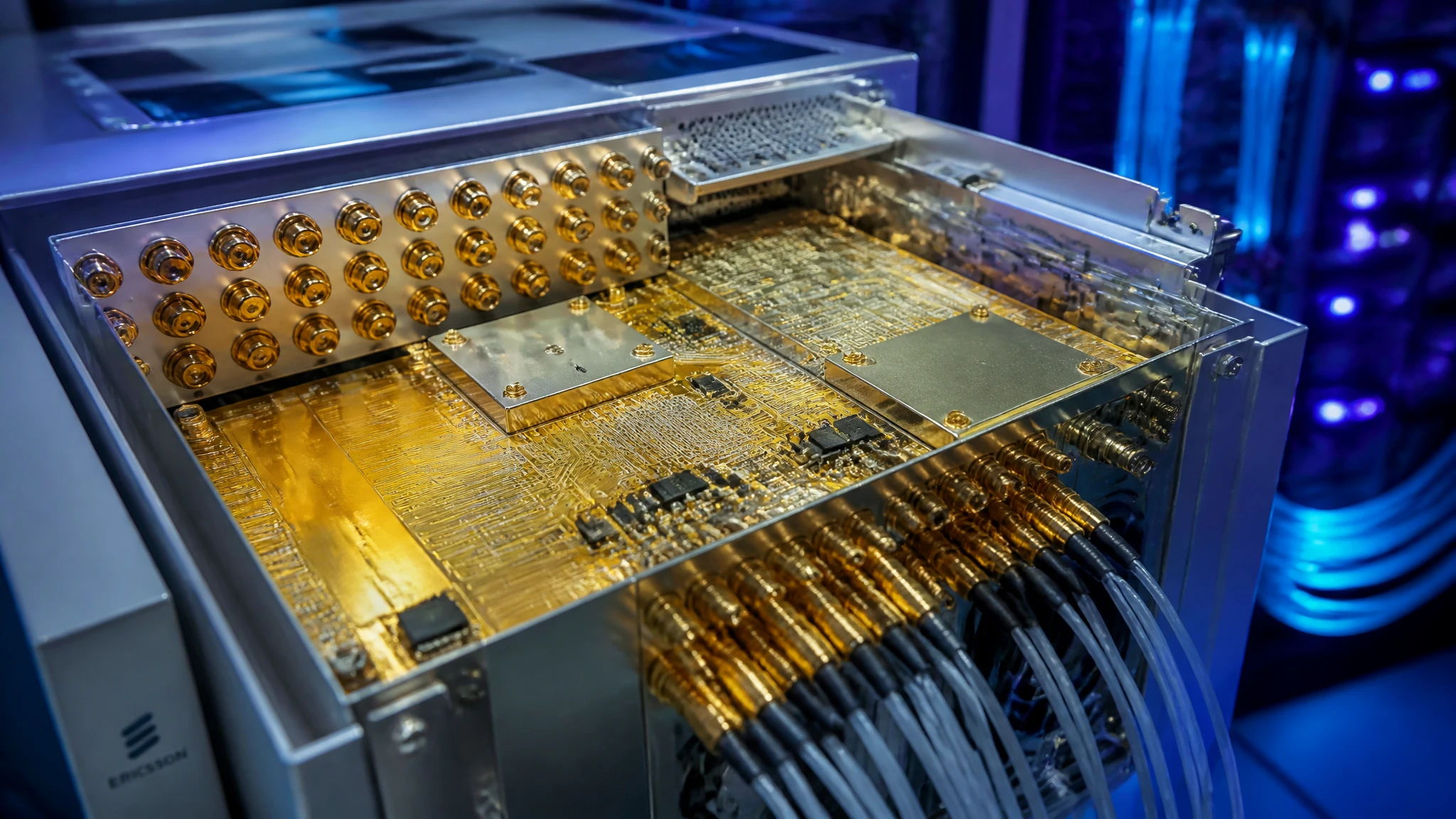
From wireless gateways and connected sensors to networking equipment, XinshunPCB supports custom PCB fabrication and assembly for communication hardware. Align materials, stackups, compact layouts,...
Explore solution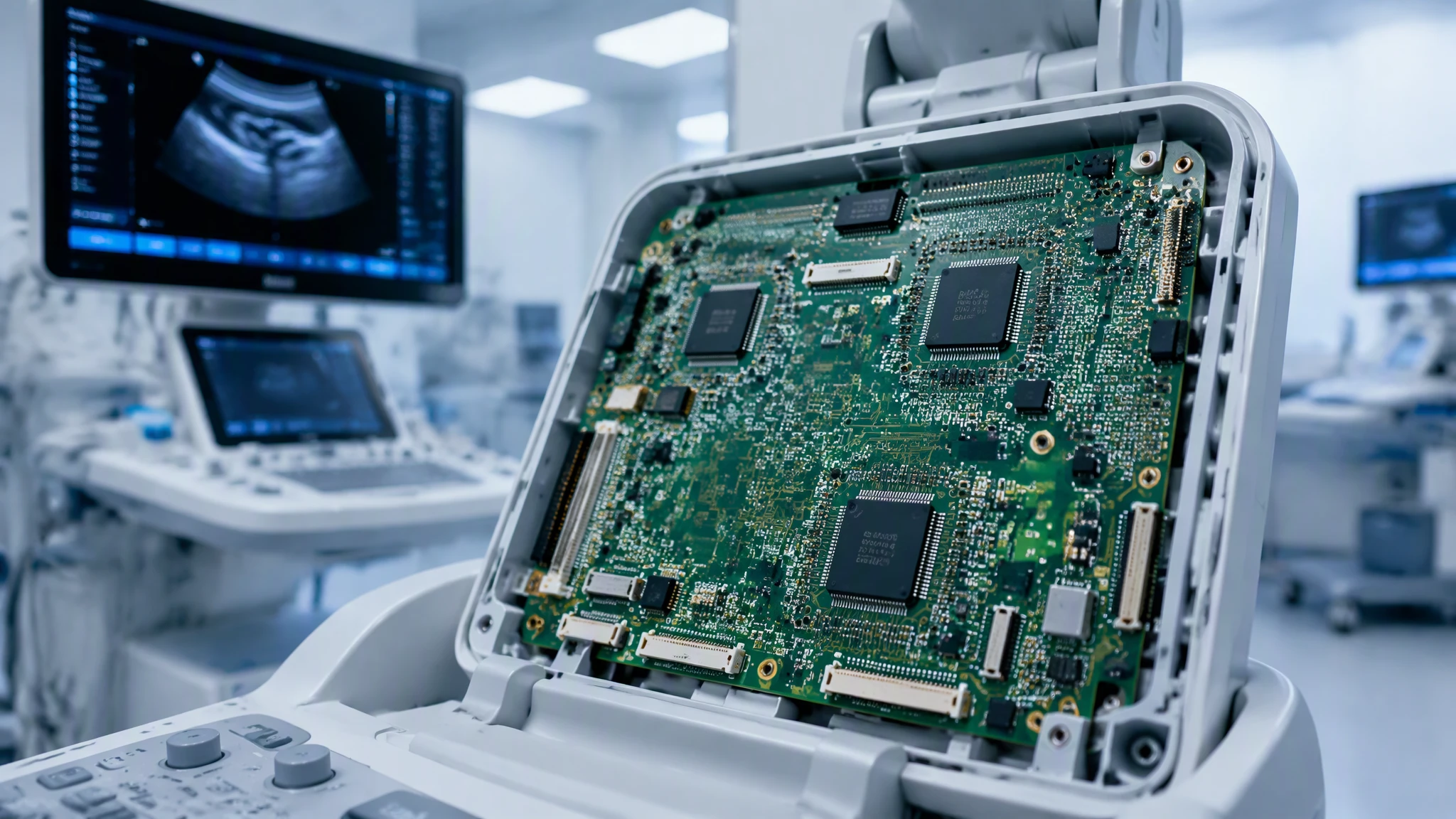
From patient monitoring and diagnostic instruments to medical imaging systems, XinshunPCB provides custom PCB fabrication and PCBA assembly for healthcare equipment. We help you...
Explore solution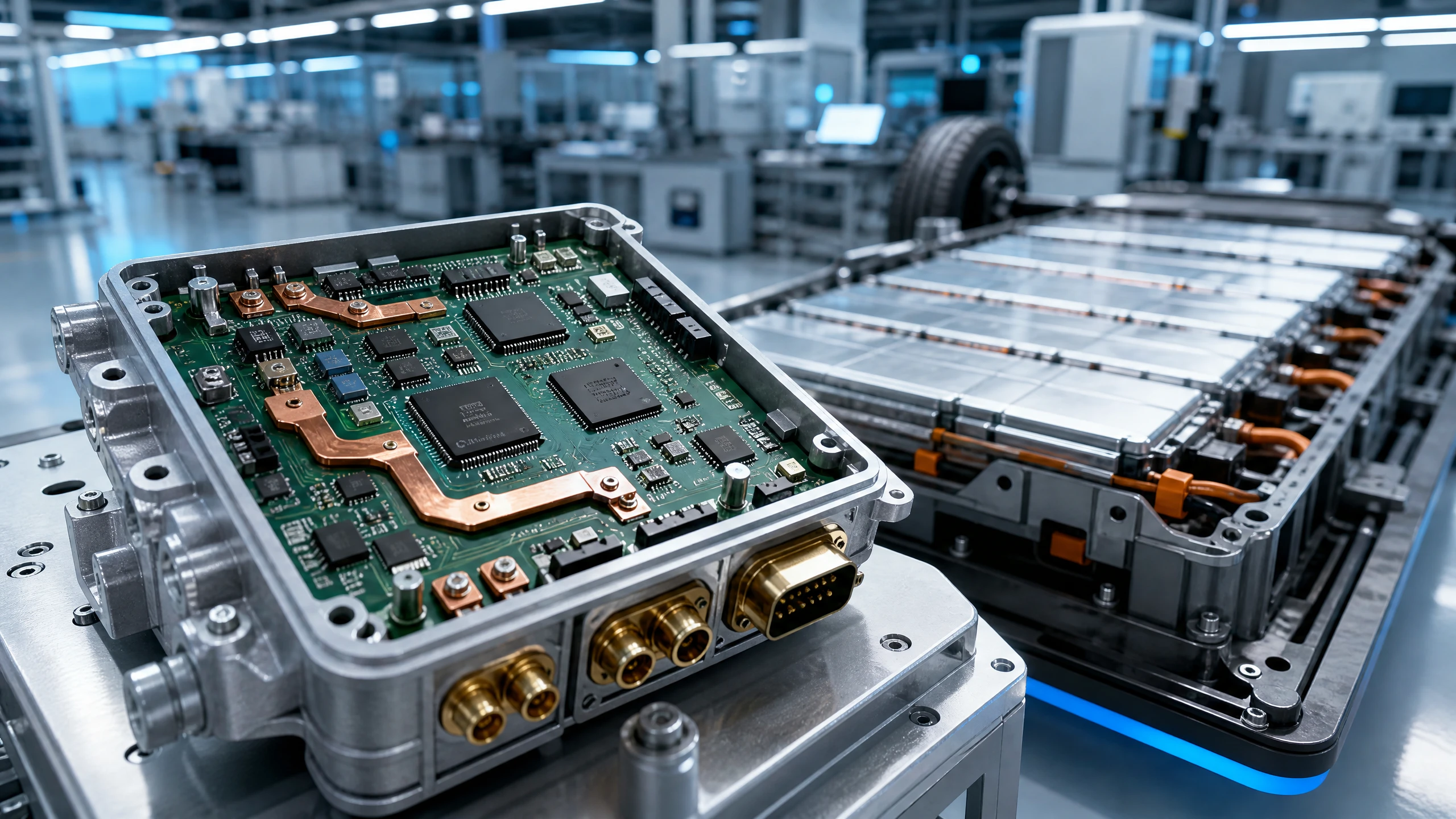
Engineered to withstand extreme mechanical shock, high-voltage switching surges, and thermal cycling from –40°C to +150°C. XinshunPCB delivers IATF 16949-aligned, IPC-A-610 Class 3 turnkey...
Explore solutionExplore practical answers about high-current PCB construction, thermal management, electrical isolation, assembly reliability, and production requirements for motor drives, inverters, industrial controls, and energy storage equipment.
Copper thickness should be reviewed together with conductor width, layer location, duty cycle, allowable temperature rise, and cooling conditions. Connections, vias, and terminals also need to support the intended current path. Provide continuous and peak current requirements so the proposed construction can be assessed before fabrication; copper weight alone does not establish a safe current rating.
The choice depends on heat sources, electrical isolation needs, mechanical constraints, and how heat leaves the enclosure. Multilayer FR-4, heavy-copper, and insulated metal-base constructions address different requirements. Review laminate properties, copper distribution, thermal vias, and the heatsink interface as a complete thermal path, then validate temperatures under representative operating loads.
Provide working and transient voltages, the required insulation type, operating altitude, environmental conditions, and the applicable product safety requirements. Material properties, conductor spacing, and any isolation slots should be reviewed against those requirements. Agree fabrication tolerances and electrical test conditions before production; a PCB spacing review does not replace equipment-level safety evaluation.
Review board mounting, component mass, connector support, and expected temperature changes early in the design. Heavy components may need suitable mechanical retention, while material selection and assembly processes should account for thermal expansion. Define inspection criteria and any vibration or thermal-cycle testing around the actual equipment environment, including fixtures, test profiles, and acceptance limits.
Conformal coating may be useful where moisture, condensation, dust, or other contaminants could affect exposed circuitry. Selection depends on the operating environment, electrical requirements, repair needs, and material compatibility. Specify cleaning, masking, coating coverage, and inspection criteria in advance. Coating should complement the enclosure and insulation design rather than be assumed to make an assembly waterproof.
Provide Gerber or ODB++ data, fabrication notes, stackup requirements, the BOM, placement files, and assembly drawings. Include operating voltage and current, thermal and environmental requirements, production quantities, and the target schedule. Identify any coating, component retention, programming, functional testing, or traceability requirements so these can be reviewed and included in the quotation.

Have a new project or custom PCB requirements? Simply fill in your project details below. XinshunPCB’s FAE engineering team will analyze your specifications and deliver a detailed formal quotation along with free engineering advice within 2–24 hours.

Detailed formal quote & lead time provided within 2-24 hours.

Your contact info and project specs are kept strictly confidential.

Experienced FAE support to help optimize your specifications.
Need a reliable manufacturing partner for your next project? Our global support team is standing by.
Trusted by global integrators for PCB manufacturing, enterprise hardware, and high-reliability deployment solutions.
