
Classify the Motion Before Choosing a Flex PCB Supplier
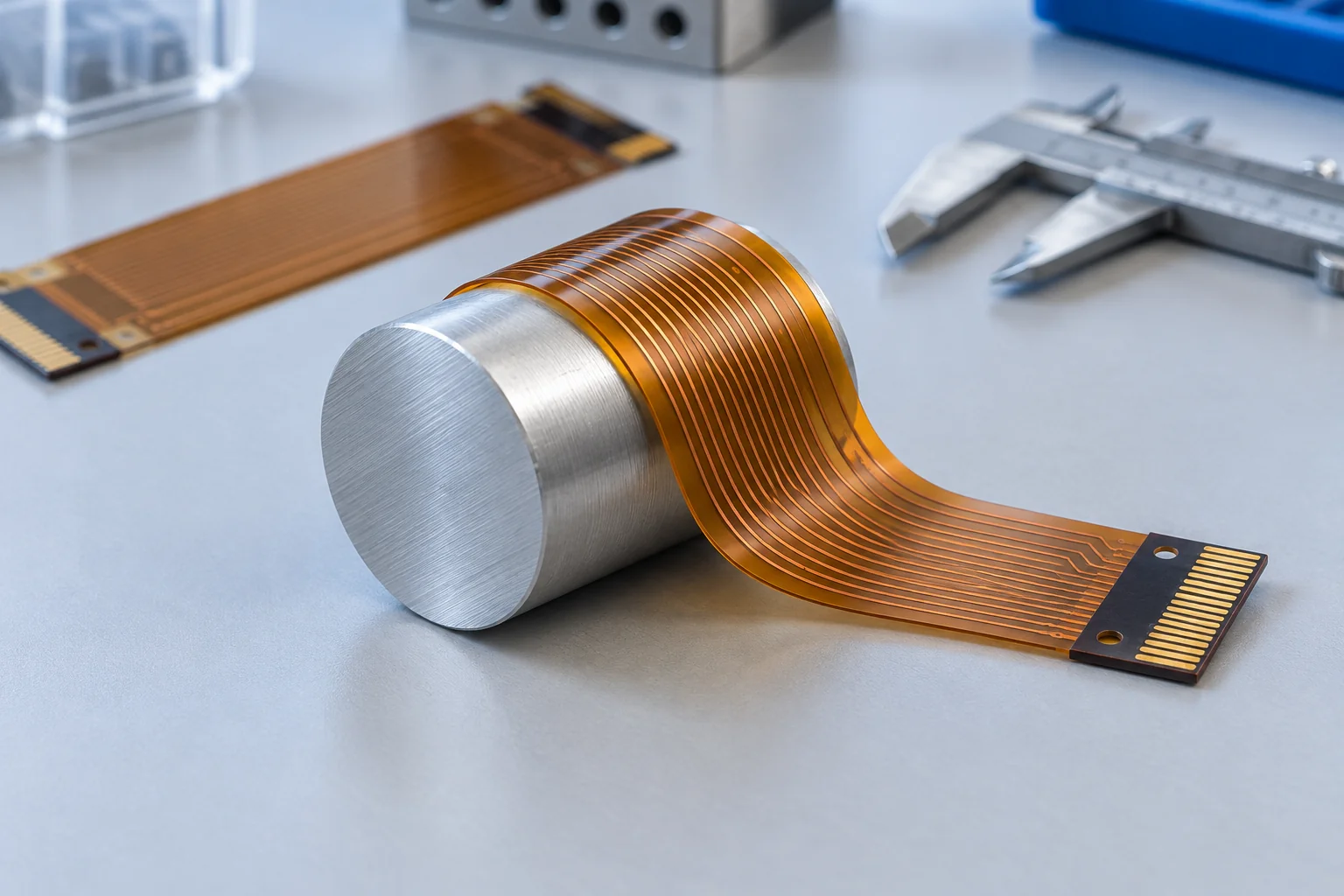
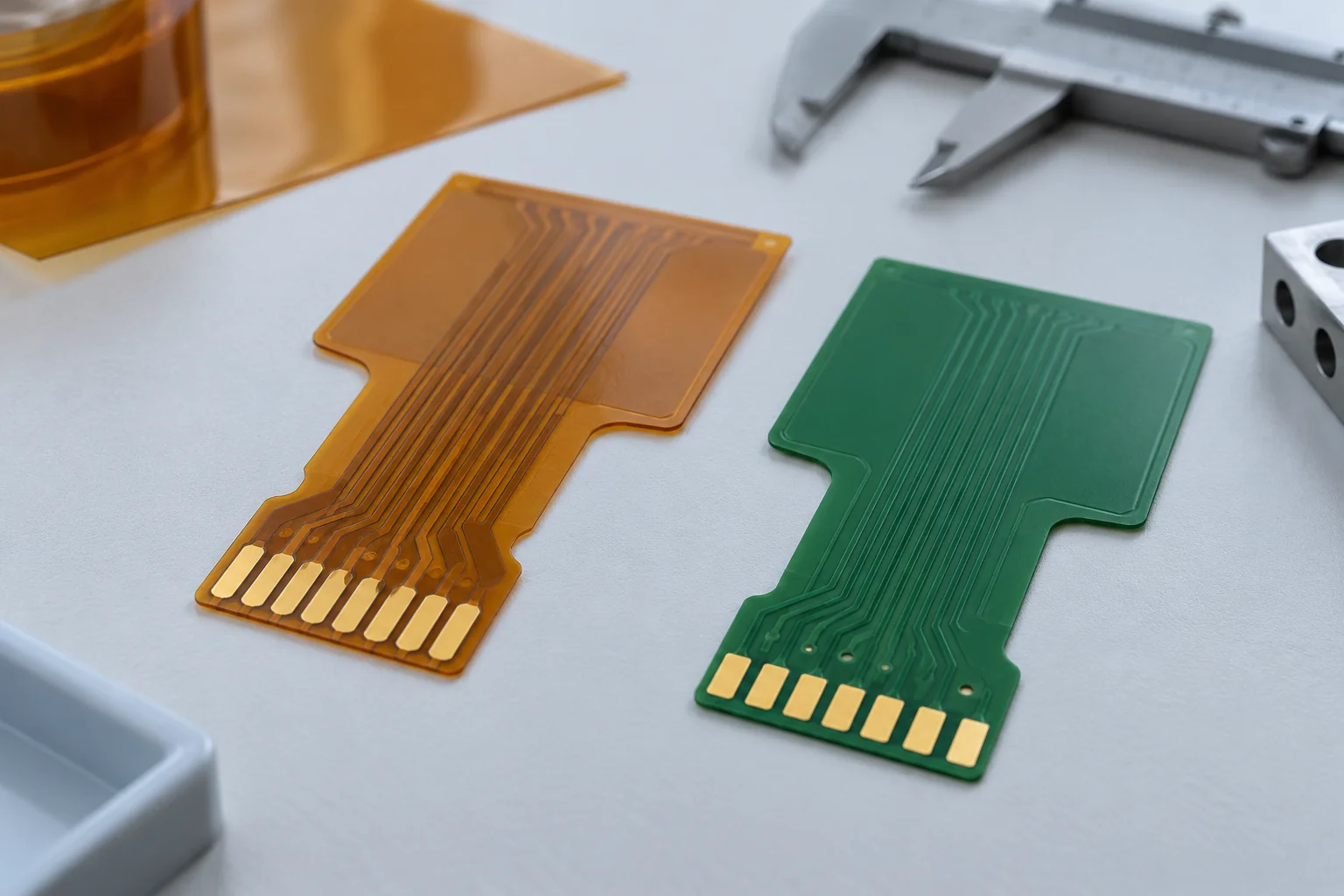
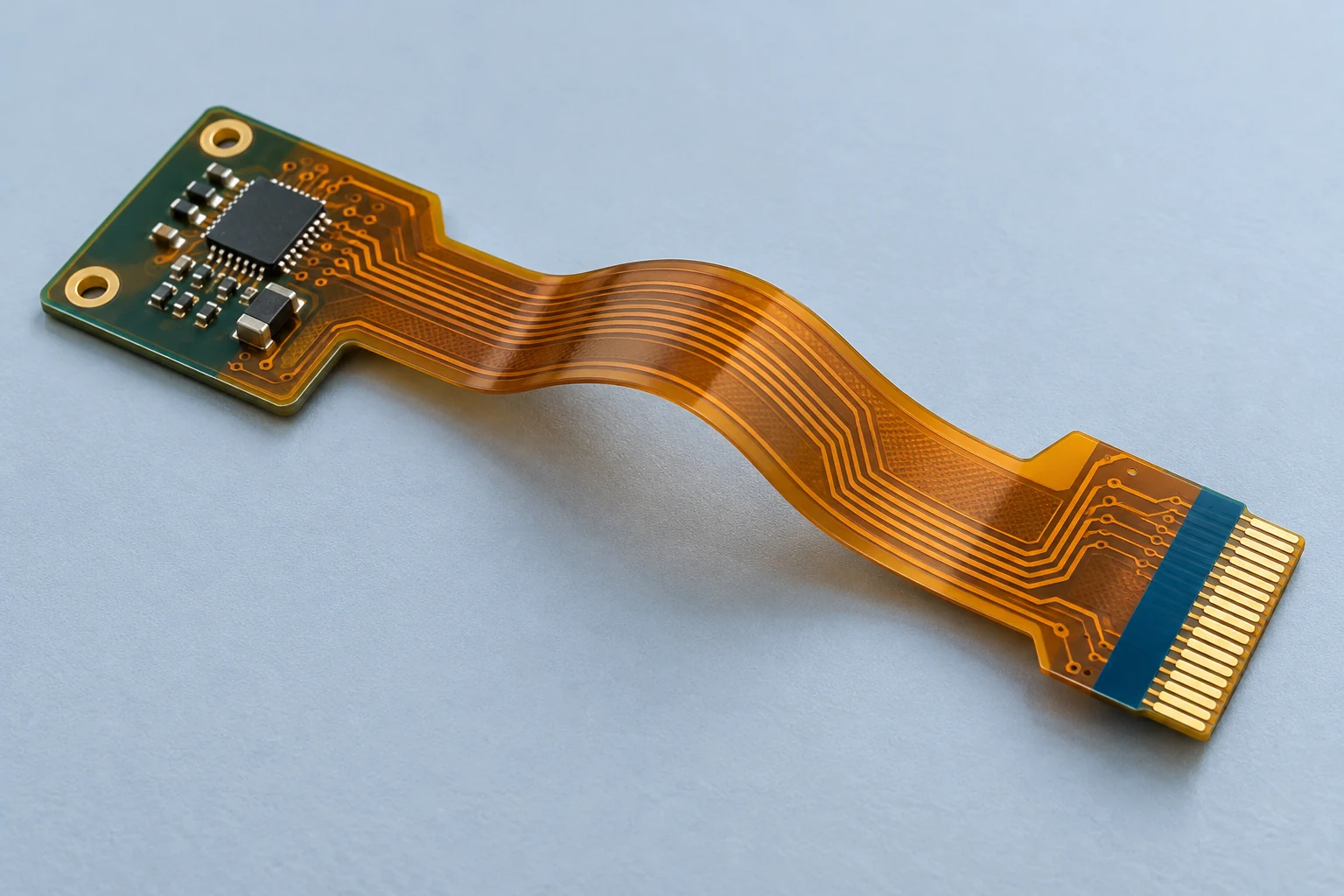
A static flex PCB is normally formed during installation and then held in position. A dynamic flex PCB moves repeatedly during operation. When choosing a dynamic flex PCB manufacturer, define the motion, electrical load and required service life before comparing materials or quotations. A flexible board that fits an enclosure still needs a separate review for repeated movement.
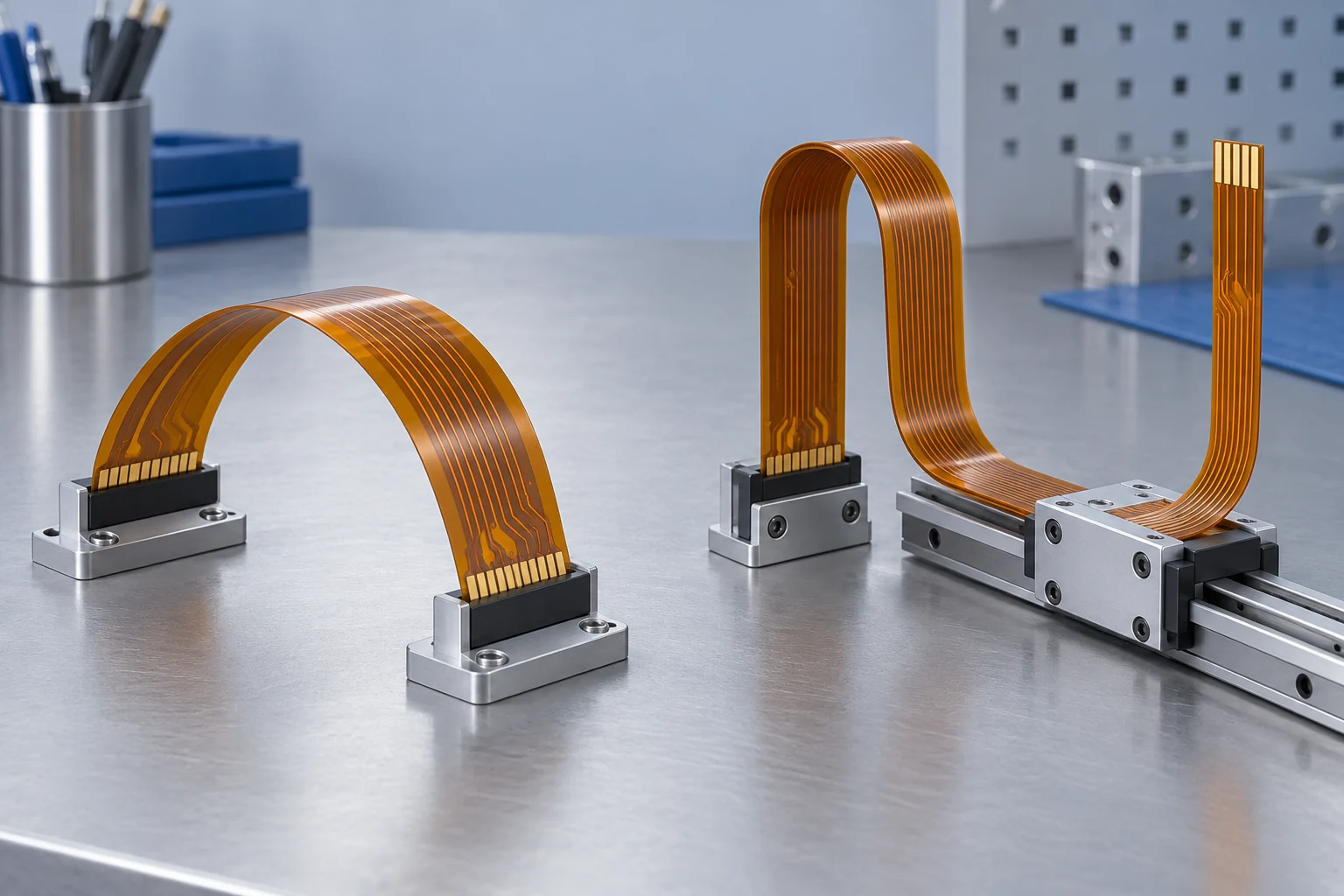
Buyers evaluating flex PCB manufacturing services should send a motion description with the circuit data. Include assembly bends, normal operation, servicing and vibration. A hinged sensor, moving camera carriage and fixed internal interconnect can have very different qualification needs even if their artwork looks similar.
The All Flex technical paper on bend-radius considerations distinguishes installation bending from repeated cycling and notes that vibration can introduce repeated bending into an apparently static application. Use the complete product duty to classify the circuit, then confirm that classification with the supplier.
Static vs Dynamic Flex PCB: What Changes in the Specification?
The distinction changes the evidence required at design release. A static part needs a workable installation route and stable retention. A dynamic part also needs a defined moving path and an agreed life-test method. The comparison below is a purchasing and engineering checklist, not a universal construction rule.
| Review item | Static / flex-to-install | Dynamic / repeated movement |
|---|---|---|
| Motion description | Assembly sequence, installed shape and any expected service bends. | Travel path, stroke or angle, speed, dwell, repeated bending and any twisting. |
| Mechanical control | Installed radius, free length, mounting and enclosure clearances. | Geometry through the full travel, restraints, changing radius and contact or rubbing points. |
| Construction review | Stackup suited to the installation, electrical and assembly requirements. | Stackup and conductor construction evaluated for the specified movement as well as electrical needs. |
| Acceptance evidence | Drawing checks, electrical tests and agreed fit or assembly verification. | The same baseline checks plus an application-specific motion qualification plan when required. |
Keep bend geometry in the controlled package. The flex PCB bend radius design guide covers thickness, available radius and bend-area routing. This article focuses on the next procurement decision: how to describe the duty and review a supplier's proposed build and qualification evidence.
Write a Motion Profile That Engineering and Purchasing Can Share
A request for “high flexibility” does not tell a manufacturer how the circuit will move. Provide a flat drawing and a sketch or 3D representation of the installed route at both ends of travel. Mark fixed points, moving points, connector orientation and the portion of the circuit expected to flex.
Define one complete cycle. For a linear mechanism, state whether an outward and return movement counts as one cycle. For a hinge, identify the start and end angles and the return. Add normal speed, pauses, expected starts and stops, intended lifetime and the temperature or humidity conditions that matter to the application.
Check occasional events as well: assembly handling, maintenance, transport and abnormal travel stops. If the circuit can twist, rub a housing or touch itself, show that in the review. A fixture that allows an unconstrained loop can exercise the circuit differently from a product with tight guides and local contact points.
For an RFQ, assign one revision to the motion sketch and reference it from the fabrication drawing. This gives every bidder the same operating assumptions and makes later changes easier to trace.
Review the Complete Stackup, Coverlay and Support Boundaries
Ask the supplier to identify the laminate, copper foil, finished copper, protective layers and any shielding in the moving span. Review total construction and local transitions together. A material described simply as polyimide or rolled-annealed copper leaves several build details unresolved.
Rolled-annealed copper is commonly considered for demanding repeated-flex applications. Confirm foil specification, orientation and the proposed plating process rather than assuming a material name establishes fatigue life. Electrical requirements can also constrain copper and shielding choices. Any proposed change needs review against both circuit performance and movement.
The Würth Elektronik flex design guide recommends keeping vias and pads out of bending areas and calls for specialist consultation on dynamic bending applications. Treat another manufacturer's rules as a technical reference, then agree on the actual drawing and process with your chosen supplier.
Use the coverlay and solder mask comparison to define protection and openings. Use the flex PCB stiffener materials and placement guide to coordinate reinforced ends with the free flex span. Confirm where each layer terminates and how the assembly prevents strain from concentrating beside a connector or clamp.
For an assembly that integrates rigid circuit regions, use our rigid-flex PCB design guidelines and DFM checklist to define the regional stackups and transition details.
Agree on Motion Qualification Before Ordering Production
A continuity check on a flat circuit establishes electrical condition at that moment. To evaluate repeated movement, agree on a qualification plan that represents the relevant construction, restraint and operating conditions. Specify the plan before ordering samples so their purpose and acceptance criteria are clear.

As a buyer's review framework, record the fixture drawing, sample construction and revision, sample count, movement, cycle definition and environment. Define which electrical paths are monitored, how interruptions or resistance changes are detected, and what constitutes failure. Decide whether visual checks are made during testing, at intervals or after the run.
Review the results as evidence for the tested configuration. Record completed cycles, failures, observations and any deviations from the agreed method. A sample reaching a target in one setup does not establish the same outcome for every enclosure, speed or environmental condition. Sample count and the test rationale should match the product's reliability requirements.
Clarify whether the supplier, the customer's laboratory or another agreed party will perform each test. XinshunPCB's flex PCB manufacturing capabilities are a starting point for a project discussion. Request confirmation of any specific motion test, fixture, reporting or acceptance requirement in the quotation.
Use This Dynamic Flex PCB Manufacturer RFQ Checklist
A complete RFQ connects the circuit files to the mechanical duty and the acceptance plan. Send the standard PCB quotation file package together with the following application details.
| RFQ requirement | What to provide or confirm |
|---|---|
| Circuit release | Artwork, drill data, outline, stackup, material notes and one controlled revision. |
| Motion envelope | Static or dynamic use, installed shapes, free length, restraints, travel and permitted contact points. |
| Service duty | Cycle definition, target life, speed, pauses, environment, servicing and vibration assumptions. |
| Local construction | Coverlay openings, stiffeners, connector thickness, attachment sides and defined bend zones. |
| Electrical requirements | Current, voltage, impedance where applicable, shielding and the paths relevant to test monitoring. |
| Qualification scope | Fixture responsibility, sample quantity, test conditions, detection method, acceptance criteria and report format. |
| Commercial assumptions | Prototype and production quantities, lead time, approved alternatives, tooling and test charges. |
Ask each bidder to return a proposed stackup, exceptions and unresolved questions. Keep those responses with the quote. A quotation based on a different duty or qualification scope should be clarified before it enters a price comparison.
Compare Supplier Evidence and Control Changes After Approval
For supplier review, ask for experience with constructions and motion arrangements relevant to your design. Useful discussion points include material traceability, process controls, dimensional checks at supported ends and how the supplier records engineering changes. Photographs and a generic cycle claim alone do not define the build you are buying.
Separate fabrication price, tooling, qualification samples, fixture work and testing in the commercial review. State who owns the test method and who releases the design after results are reviewed. This makes a lower initial quote easier to assess against the complete sourcing cost.
After approval, define which changes require review or requalification. Examples include copper construction, protective-layer thickness, reinforcement location, circuit outline and the product's travel path. A new artwork revision can affect the moving span even when the mounting holes stay in the same position.
Use first-article feedback to close open issues before repeat production. Keep approved drawings, test results and deviations together so purchasing can place the next order against the same requirements.
Request a Static or Dynamic Flex PCB Manufacturing Review
Send XinshunPCB your circuit data, proposed stackup, installed geometry and motion profile. Identify the electrical requirements and any qualification test you need included. Our team can review the manufacturing scope and raise design questions before a prototype or production quotation is finalized.
Request a dynamic flex PCB manufacturing review with your motion drawing and RFQ package, or explore flexible PCB fabrication options for fixed and moving interconnects.
Static and Dynamic Flex PCB FAQs
Practical answers for buyers planning fixed or repeatedly moving flexible circuits, supplier reviews and manufacturing quotations.
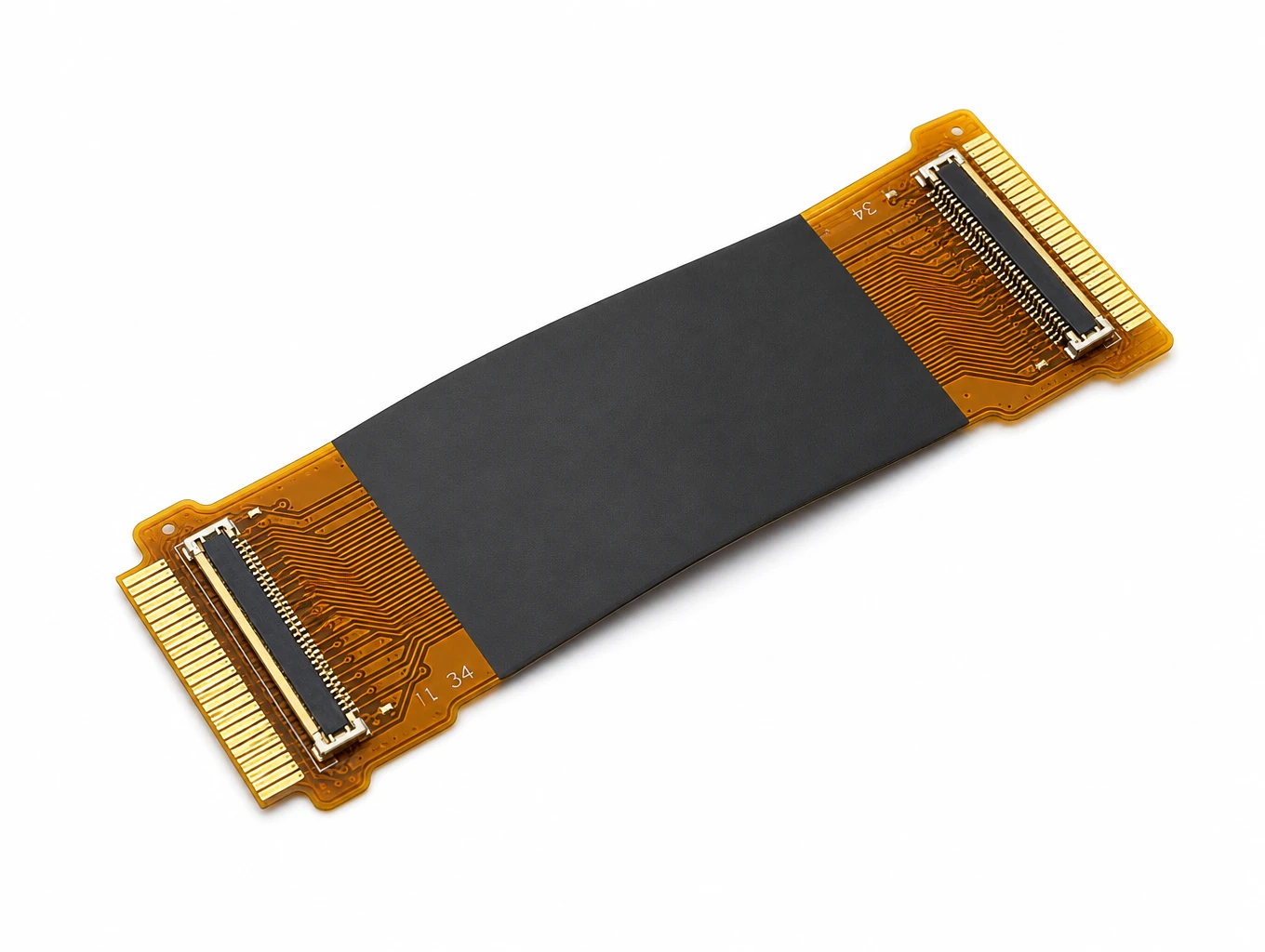
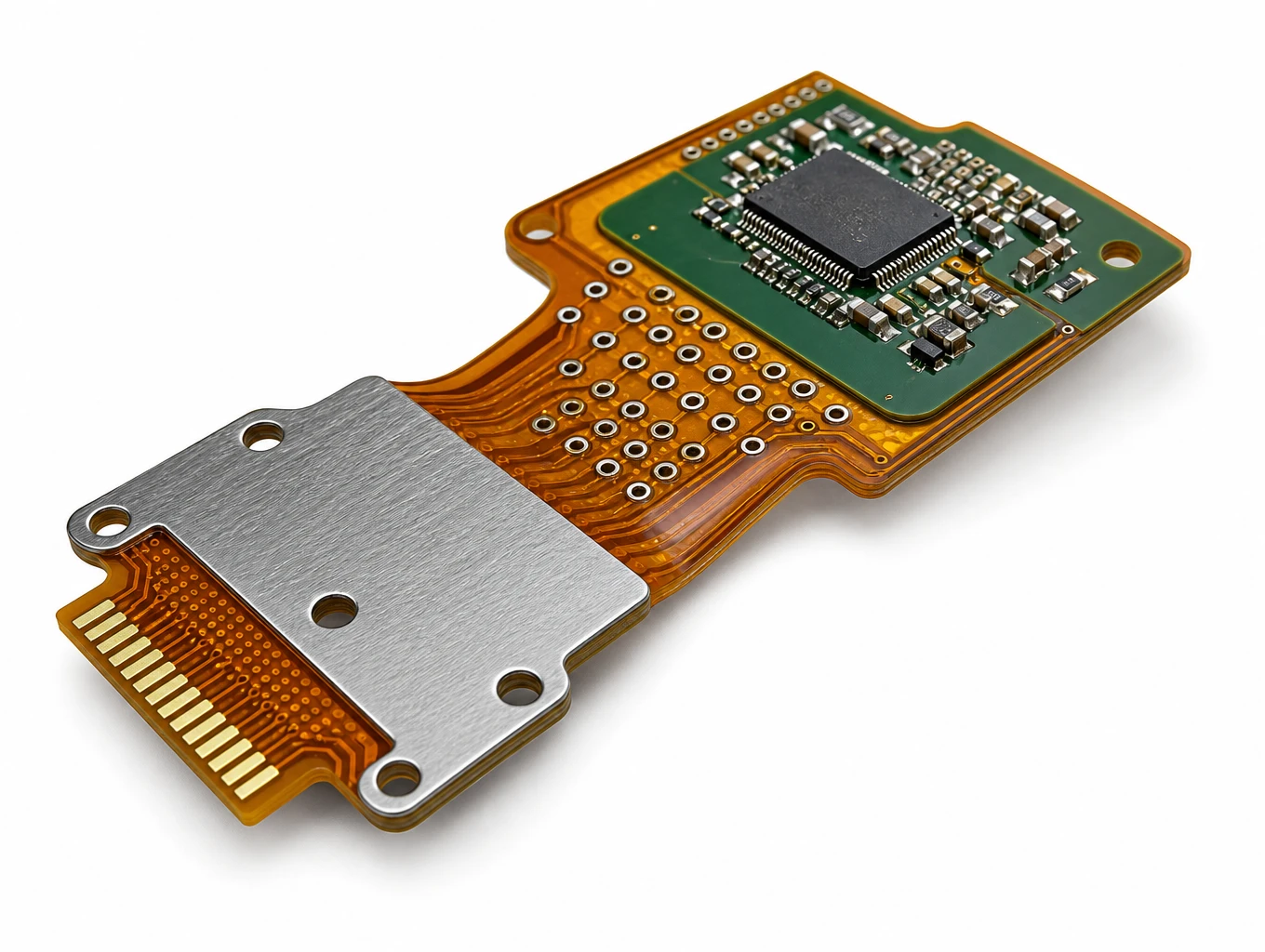
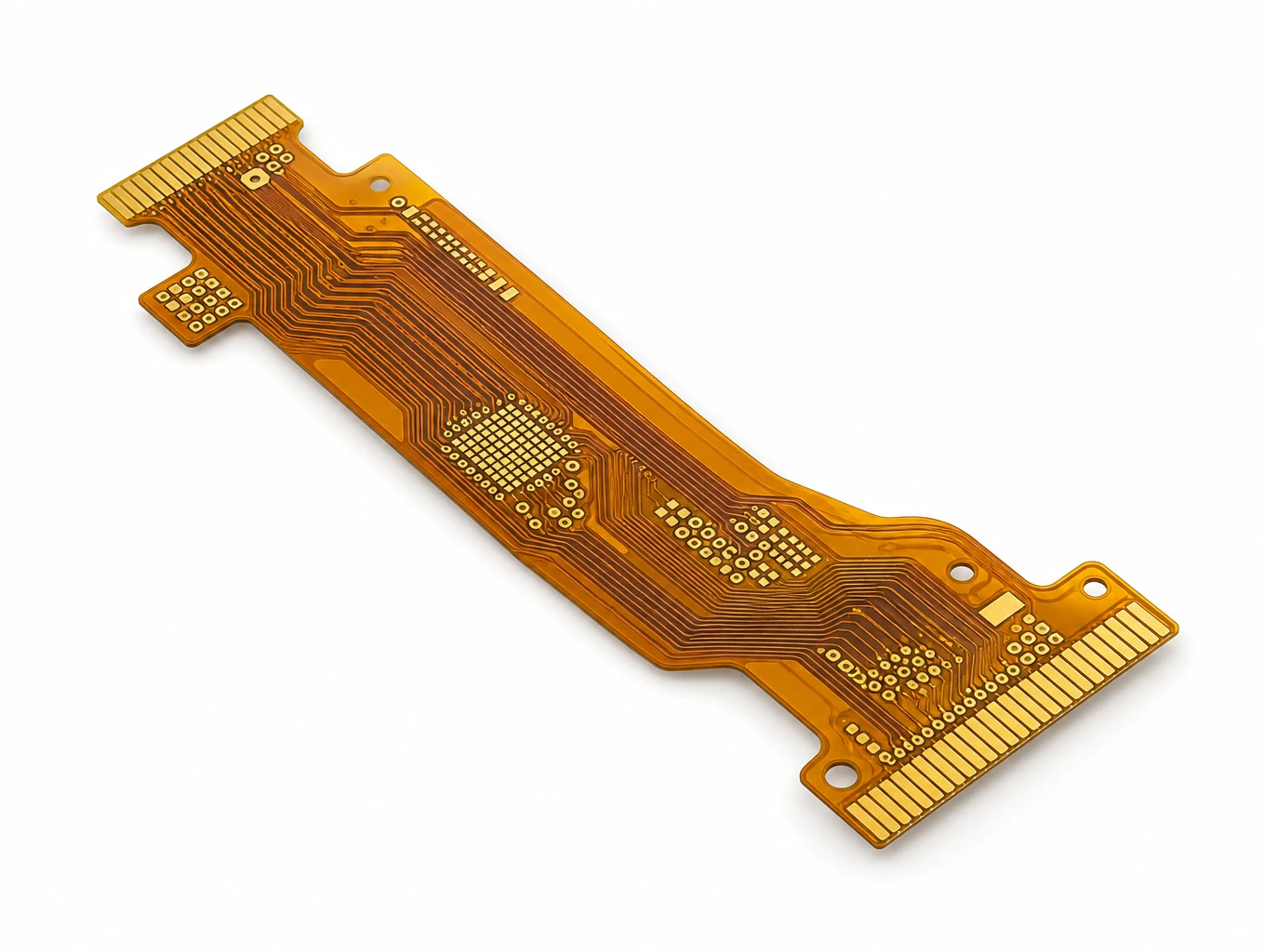
Flex PCB Examples for Your Manufacturing Review
Review flexible circuit examples, then confirm the construction and motion requirements for your own application.
Continue Planning Your Flex PCB Design
Explore related guidance on bend geometry, protective layers and local reinforcement before releasing your flexible circuit package.