

PCB manufacturing cost depends on what must be built, how it will be verified, and how many acceptable boards you need on the required date. A low unit price can become expensive if it excludes tooling, uses an unapproved material, or assumes a different inspection scope. For OEM buyers, the useful comparison is a documented manufacturing quotation tied to one released design revision.
This guide explains twelve cost factors for bare printed circuit boards, the questions to ask a supplier, and practical ways to reduce avoidable expense without weakening the design. It also separates fabrication charges from assembly and delivery costs so purchasing and engineering can approve the same scope.
Define the Scope Before Comparing PCB Manufacturing Cost
Begin by deciding whether you are buying bare boards, assembled boards, or a complete delivered assembly. Bare PCB fabrication normally covers the laminated board, copper interconnections, protective coatings, specified finish, and agreed inspections. Component procurement, stencil preparation, component placement, soldering, programming, and functional testing belong to a different scope.
For assembled products, request a separate breakdown of the bare board, components, assembly labor, tooling, and test development. The scope of SMT assembly services should be confirmed independently. A quotation for an unpopulated board cannot be compared directly with a turnkey PCBA quotation, even when both use the same board dimensions.
A useful procurement model is: order cost = recurring board charges + one-time charges + agreed testing and documentation + logistics and applicable import costs. Compare the same currency, quantity, acceptance criteria, delivery terms, and revision. This is a comparison framework, not a universal pricing formula: suppliers may combine some charges or amortize them across the order.
When approaching a PCB manufacturer, provide the released fabrication package and ask which assumptions remain open. A quote issued from an incomplete screenshot or layer count is an estimate until the detailed construction is reviewed.
Factors 1–3: Order Quantity, Panel Utilization, and Layer Count
1. Order quantity and one-time preparation
Engineering preparation, tooling, machine setup, and certain fixtures create costs that are not proportional to the number of boards. Distributing them across a larger order can reduce the unit price. However, buying more than the approved demand can increase inventory exposure, particularly when the design is still changing.
Ask for prototype, pilot, and production quantities in the same RFQ. Identify which non-recurring engineering charges apply only to the first order and which return after a revision. A repeat order may still need review if the material, stackup, tooling data, or acceptance requirements change. Do not assume that a prototype price scales directly to production.
2. Board dimensions and production-panel utilization
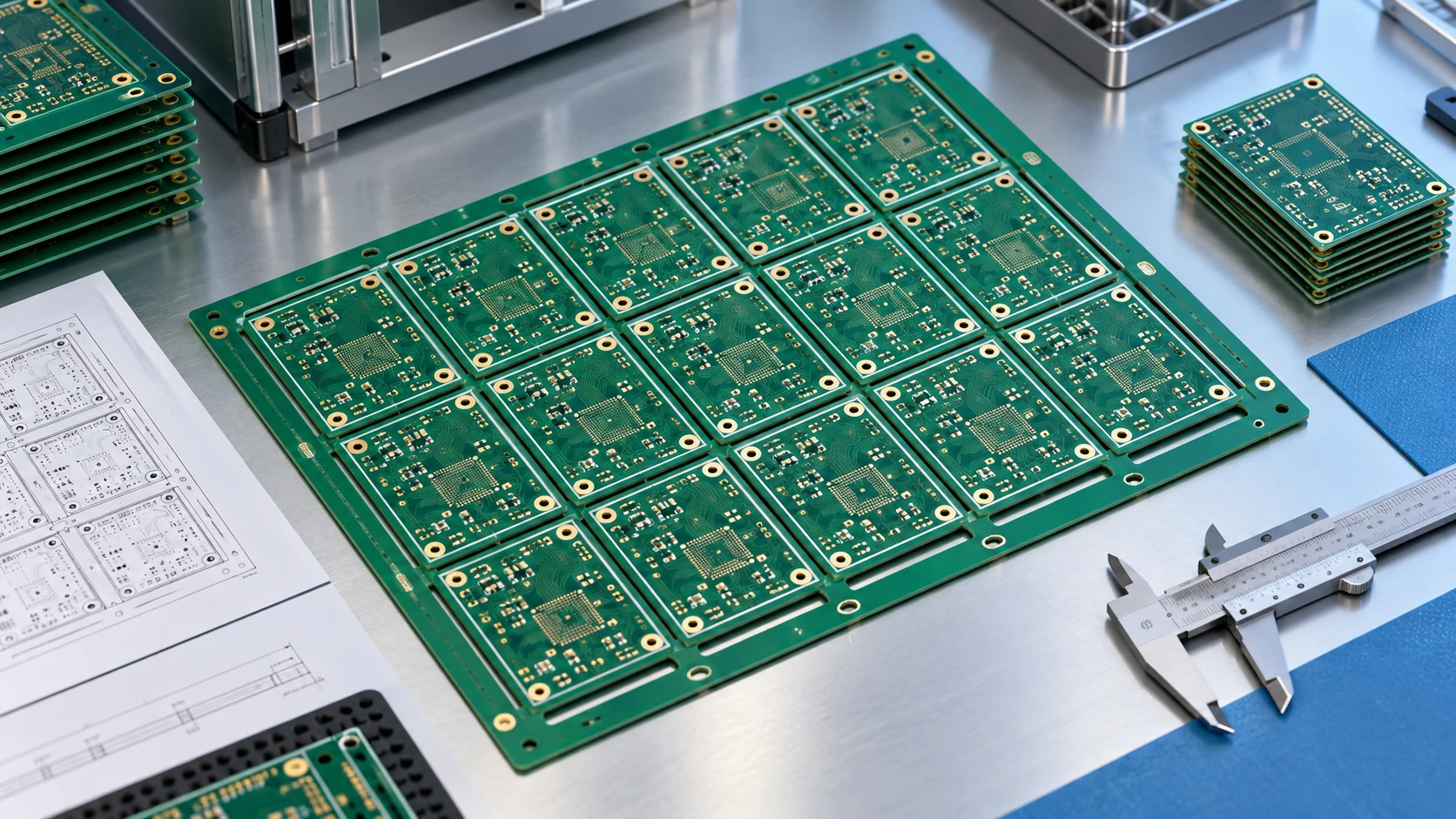
The cost of a board depends partly on how efficiently its outline fits the supplier's production panel. Rails, spacing, routing paths, tooling features, and process coupons occupy area too. Two designs with similar finished area can use manufacturing space differently because one outline nests efficiently and the other does not.
Distinguish the supplier's fabrication panel from the delivery panel required by your assembly line. They need not have the same layout. Before fixing a large or unusual outline, ask the fabricator to review utilization and identify whether a small dimensional change would help. Do not modify mounting interfaces without product-engineering approval.
Eurocircuits explains how boards share a panel through manufacturing processes and why panel arrangement also affects process stability, not only material usage. Its panelisation overview provides useful background; the actual usable panel and pooling options remain supplier-specific.
3. Layer count and stackup complexity
More copper layers generally require additional materials and processing, but layer count alone does not describe construction complexity. Core and prepreg selection, copper balance, finished thickness, impedance targets, and lamination sequence matter. Two eight-layer designs can require different manufacturing routes.
Ask engineering and the supplier to review the proposed stackup before routing is finalized. Reducing layers may help only if signal integrity, power distribution, clearances, and thermal requirements remain satisfied. A crowded lower-layer design that requires finer features can offset the expected saving. Evaluate the complete stackup rather than treating layer removal as an automatic cost reduction.
Factors 4–6: Laminate, Copper Weight, and Circuit Geometry
4. Material specification and availability
Standard FR-4, high-temperature laminates, low-loss materials, and hybrid constructions have different purchasing and processing requirements. The required electrical, thermal, and mechanical properties should determine the specification. A brand name alone is not a complete material requirement, and a generic material substitution is not automatically equivalent.
State the approved laminate, required properties, and whether alternatives may be proposed. Ask how material availability affects batch size and lead time. If an alternate is offered, obtain engineering approval and record the agreed stackup before production. This protects both performance and repeat-order consistency.
5. Copper thickness and its interaction with the design
Heavier copper changes more than the amount of metal used. It can affect etching, required clearances, lamination, and achievable geometry. The relevant specification is layer-specific: starting copper, finished external copper, and any plated copper requirements must be understood consistently.
For power boards, select copper and conductor geometry together with current, temperature rise, and thermal constraints. Specifying maximum copper everywhere may add expense without improving every circuit. The available rigid PCB construction options are a starting point for discussion; the fabricator should review the actual combination of copper, spacing, and stackup.
6. Minimum trace width and spacing
Fine features can move a design into a more demanding process window. The important question is not whether one minimum line width appears on a capability page, but whether it is suitable for the material, copper thickness, layer location, and production volume in your order.
Use tighter geometry where component escape routing needs it, and avoid applying the smallest rules indiscriminately across the board. Ask whether localized routing changes can place more of the design inside the supplier's routine production window. Any change still needs electrical verification and a controlled design release.
Factors 7–9: Drilling, HDI Construction, and Surface Finish
7. Hole sizes, depth, and drill requirements
Hole quantity, minimum diameter, board thickness, and the relationship between hole depth and diameter influence drilling and plating difficulty. Slots, controlled-depth features, and back drilling add their own operations. A high hole count and many specialized features can matter even on a physically small board.
Supply finished-hole requirements, plated and non-plated classifications, slot dimensions, and tolerances. Review the rigid PCB manufacturing capabilities against the full design rather than checking each minimum in isolation. Ask which features determine the quoted process route and whether any noncritical tolerance can be relaxed.
8. Microvias and sequential lamination
HDI PCB cost should be assessed separately from a conventional through-hole multilayer build. Laser-drilled microvias, blind and buried connections, via filling, stacked structures, and additional lamination cycles can create extra operations and verification requirements. A compact design can therefore cost more to fabricate than a larger, simpler board.
Define the via structure clearly, including the connected layers and filling or capping requirements. Consult the supplier's HDI PCB process options during stackup planning. Compare feasible alternatives against routing density, reliability, and assembly needs; reducing one lamination cycle is useful only when the revised structure still meets the product requirements.
9. Surface finish and exposed-contact requirements
Surface finish affects processing, storage, solderability, and the suitability of contact areas. A blanket instruction such as “gold finish” is insufficient: solderable nickel-gold finishes and wear-resistant contact finishes serve different purposes and need different specifications.
State the required finish, any selective treatment, contact-finger details, and relevant acceptance criteria. Compare finishes with the assembly process and storage plan in mind. Do not choose a lower-priced finish solely from the quotation if fine-pitch assembly, connector durability, or customer requirements make it unsuitable.
Factors 10–12: Special Features, Verification, and Delivery
10. Mechanical tolerances and special processing
Tight outline tolerances, cavities, edge plating, countersinks, castellations, and unusual profiling can introduce extra setup or handling. Requirements copied from an old drawing may therefore affect price even when they are not essential to the current product.
Mark critical-to-function dimensions clearly and distinguish them from general tolerances. Ask the supplier to flag the features driving extra processing. Relaxing an unnecessary tolerance should be an approved drawing change, not an undocumented concession accepted by purchasing after the quote is issued.
11. Inspection, testing, and documentation scope
Electrical testing, optical inspection, impedance measurement, microsections, and additional reliability evaluation answer different questions. The quotation should identify which checks are included, whether test coupons are required, and what records accompany delivery. A generic “tested” statement is too vague for meaningful comparison.
Define the applicable acceptance criteria and required evidence in the RFQ. For a regulated or customer-controlled program, clarify lot identification, certificates, retention requirements, and any project-specific qualification work. Removing necessary verification to obtain a lower price can transfer cost into incoming inspection, assembly failures, or field investigation.
12. Lead time, shipment structure, and delivery terms
An expedited build may require different scheduling, material procurement, or shipment arrangements. Ask when the quoted manufacturing lead time starts: purchase order, deposit, approved engineering questions, or final production release. An unresolved technical question can move the delivery date even if capacity was initially available.
Separate fabrication time from transit time. Compare delivery terms, packaging, shipment splitting, and applicable import responsibilities consistently. A low ex-works board price and a delivered quotation are not equivalent. Record the quote validity period as well, particularly where material availability or freight conditions could change before the order is placed.
Build an RFQ That Makes Cost Assumptions Visible
A complete request for quotation reduces clarification loops and exposes differences before a purchase order is approved. Give each supplier the same revision-controlled package. Use the table below as a handoff between engineering and procurement, then ask each supplier to list deviations explicitly.
| RFQ input | What to include | Cost question to resolve |
|---|---|---|
| Fabrication data | Gerber or agreed data format, drill files, outline, revision | Is the quote based on the released design? |
| Stackup and materials | Layers, thickness, copper, laminate, impedance needs | Which assumptions or alternatives affect the price? |
| Mechanical details | Slots, cavities, tolerances, delivery panel | Are extra operations and tooling included? |
| Quality requirements | Acceptance criteria, electrical test, coupons, reports | Which verification activities are included or optional? |
| Commercial scope | Quantity breaks, delivery date, destination, terms | What is one-time, recurring, or excluded? |
Do not silently revise files while quotations are being collected. If engineering approves a change, issue a new revision to every supplier and request confirmation of the revised basis. Keep the drawing, clarification responses, and supplier assumptions together so the purchase order references one consistent scope.
For repeat programs, also specify expected releases and forecast confidence. A forecast helps discussion of capacity and material planning, but it is not automatically a purchase commitment. Distinguish firm quantities from estimates rather than using an unrealistic annual volume to obtain an attractive initial unit price.

Compare Quotes and Reduce Cost Without Losing Control
Normalize quotations before ranking suppliers. The following checks identify differences that a single unit-price column can hide. They do not assign a universal price premium to any process.
| Comparison line | Check in every quotation | Action before approval |
|---|---|---|
| Board price | Same revision, quantity, material, and finish | Resolve construction deviations |
| One-time charges | Engineering, tooling, fixtures, repeat-order policy | Separate initial and recurring costs |
| Testing and reports | Included methods, sampling, records, acceptance | Align the verification scope |
| Delivery | Release trigger, shipment date, freight, terms | Compare the same delivery basis |
| Change handling | Revision approval and requotation conditions | Document responsibility and approval steps |
Start cost reduction with avoidable ambiguity, unnecessary special requirements, and inefficient panelization. Then review layer structure, geometry, and material alternatives with the responsible engineer. Request a written comparison of the original and proposed build, including any effect on testing, reliability, or lead time. Keep the approved option in the released manufacturing package.
Do not evaluate price in isolation from supplier fit. Our guide to choosing a PCB manufacturer in China covers the broader evidence to request when qualifying a partner. Used together, the two guides connect commercial comparison with process capability and quality review.
Keep two commercial views when the program moves from development to repeat purchasing. The first-order view includes setup and qualification work; the repeat-order view shows the recurring build under the same approved conditions. This makes it easier to explain why an initial order and a repeat order may have different unit prices without assuming that either supplier has changed its margin.
For example, if one quotation includes a dedicated fixture and another uses a different test approach, ask both suppliers to explain coverage, throughput, and repeat-order charges. The lower initial invoice is not sufficient evidence that the lifecycle cost is lower. This comparison should remain tied to your production forecast rather than an unsupported savings percentage.
Assign an owner to each unresolved assumption: engineering for technical substitutions, quality for acceptance and evidence, and procurement for quantities and delivery terms. Close those questions before approval. A short decision log makes later reorders easier and reduces the chance of paying again for a previously resolved misunderstanding.
Before releasing production, use a prototype or pilot stage appropriate to the program to check the approved design and acceptance process. A cheaper quotation is valuable when it represents the required board, at an agreed quality level, with predictable repeat-order conditions.
Related PCB Products


Related Industry Solutions

Industrial & Power Electronics
Engineered to withstand massive electrical currents, thermal stress, and continuous mechanical vibration. XinshunPCB delivers IPC Class 3 heavy copper boards, high-thermal metal-core solutions, and turnkey SMT assemblies for grid-scale energy storage, industrial robotics, motor drives, and solar inverters.
Explore Solutions
Medical Equipment
From patient monitoring and diagnostic instruments to medical imaging systems, XinshunPCB provides custom PCB fabrication and PCBA assembly for healthcare equipment. We help you align board materials, circuit layouts, and assembly requirements with your application, supporting development from initial prototypes to production.
Explore Solutions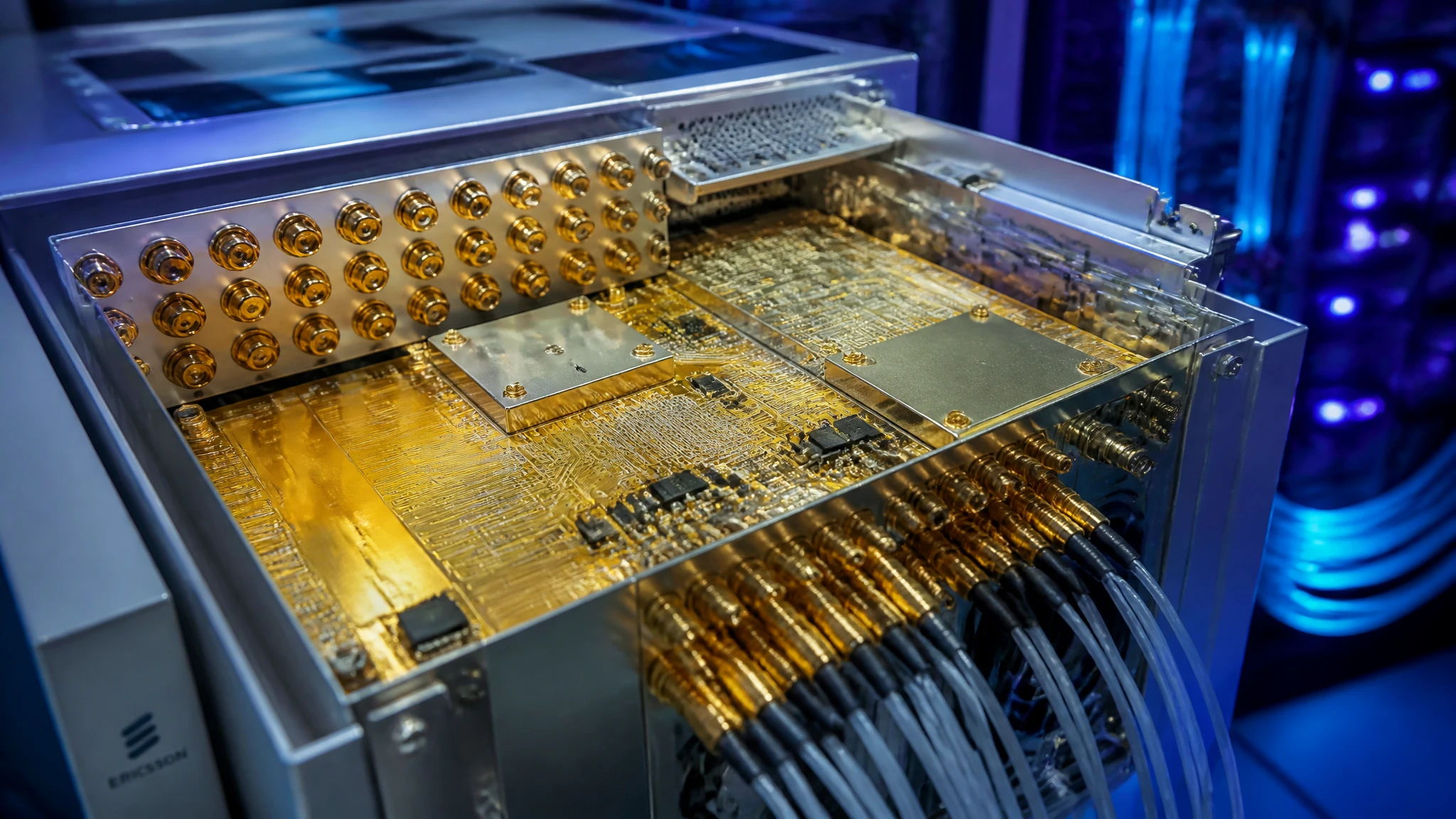
Telecommunications & IoT
From wireless gateways and connected sensors to networking equipment, XinshunPCB supports custom PCB fabrication and assembly for communication hardware. Align materials, stackups, compact layouts, and production testing with your application, from initial prototypes to repeat production.
Explore Solutions
Industrial & Power Electronics
Engineered to withstand massive electrical currents, thermal stress, and continuous mechanical vibration. XinshunPCB delivers IPC Class 3 heavy copper boards, high-thermal metal-core solutions, and turnkey SMT assemblies for grid-scale energy storage, industrial robotics, motor drives, and solar inverters.
Explore Solutions
Medical Equipment
From patient monitoring and diagnostic instruments to medical imaging systems, XinshunPCB provides custom PCB fabrication and PCBA assembly for healthcare equipment. We help you align board materials, circuit layouts, and assembly requirements with your application, supporting development from initial prototypes to production.
Explore Solutions
Telecommunications & IoT
From wireless gateways and connected sensors to networking equipment, XinshunPCB supports custom PCB fabrication and assembly for communication hardware. Align materials, stackups, compact layouts, and production testing with your application, from initial prototypes to repeat production.
Explore SolutionsFrequently Asked Questions
Turn Your PCB Cost Review into a Clear Manufacturing Request
The most useful PCB cost factors are the ones you can connect to a drawing, a process step, or an acceptance requirement. Quantity, panel utilization, layers, materials, copper, geometry, holes, HDI structure, finish, special features, verification, and delivery should all be visible in the quotation basis.
Prepare the current fabrication data, proposed stackup, order quantities, required delivery date, and quality documentation needs. Request a PCB manufacturing quotation from XinshunPCB to discuss the build and clarify which specifications should be reviewed before production. An agreed scope gives engineering and purchasing a stronger basis for cost decisions and future repeat orders.
