
What a PCBA Quote Actually Covers
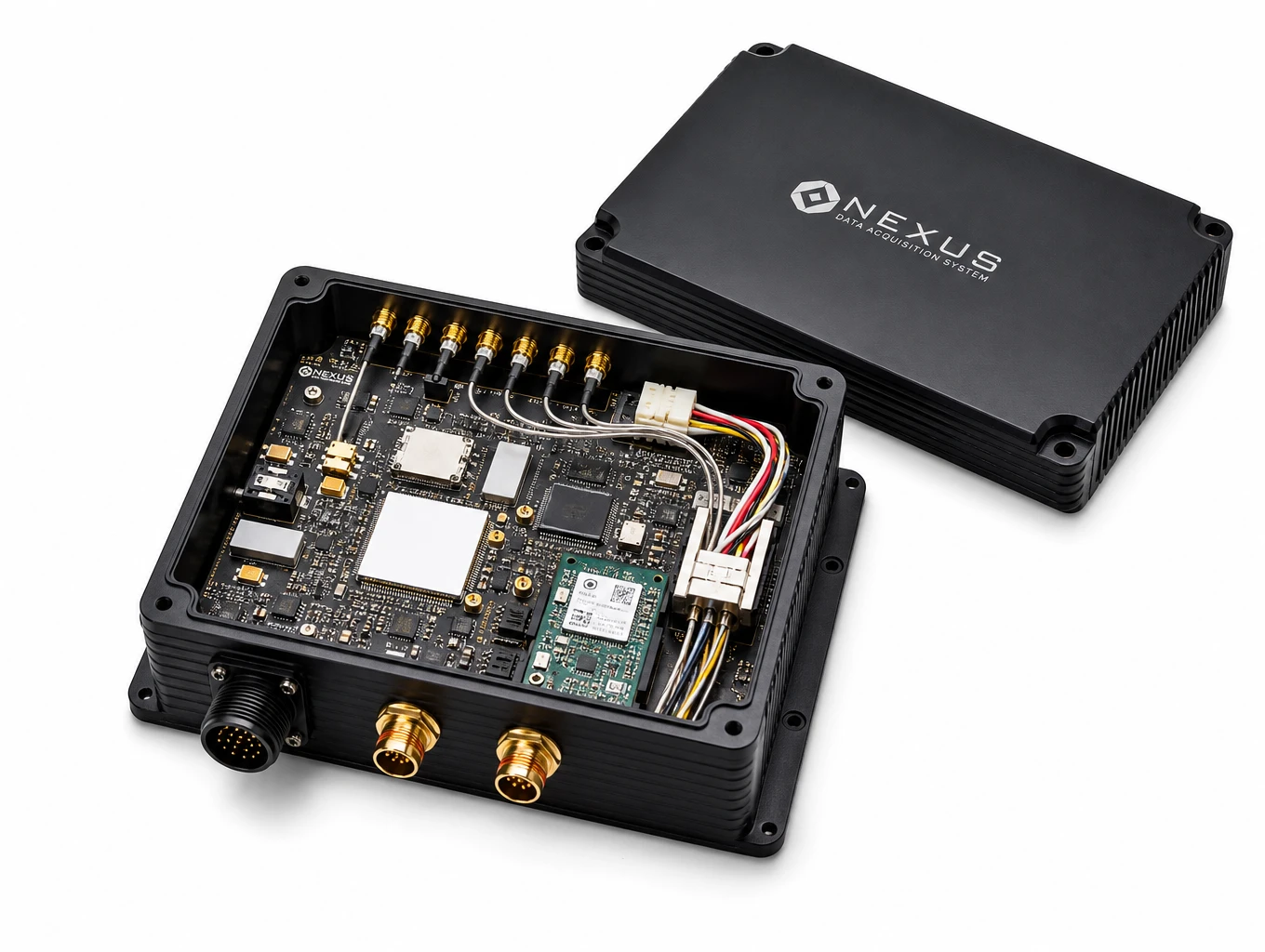
PCBA cost breakdown starts with the scope of the delivered assembly, not a single price per board. A comparable quotation identifies the bare PCB, approved components, purchasing and material handling, assembly operations, inspection and testing, one-time engineering or tooling, and delivery assumptions. Two suppliers can quote the same design at different prices because they included different work.
For a B2B buyer, the useful question is: What exactly is included at this quantity, BOM revision, test coverage and delivery date? The bare-board portion has its own drivers, covered in our PCB manufacturing cost guide. This article covers the additional costs of turning that board into a tested assembly.
A practical comparison is total project cost = recurring board and material cost + recurring assembly and test cost + one-time charges + logistics and risk allowances. Allocate one-time charges across the agreed build quantity only when that helps the comparison; keep them visible as separate lines in the actual quotation. XinshunPCB reviews these items against the released BOM and build package through its SMT assembly services.
PCBA Cost Breakdown: Compare the Same Line Items
Use the matrix below to normalize quotes. It describes potential line items, not a fixed XinshunPCB price list; each project is priced after engineering and sourcing review.
| Cost bucket | Typical drivers | Question for the supplier |
|---|---|---|
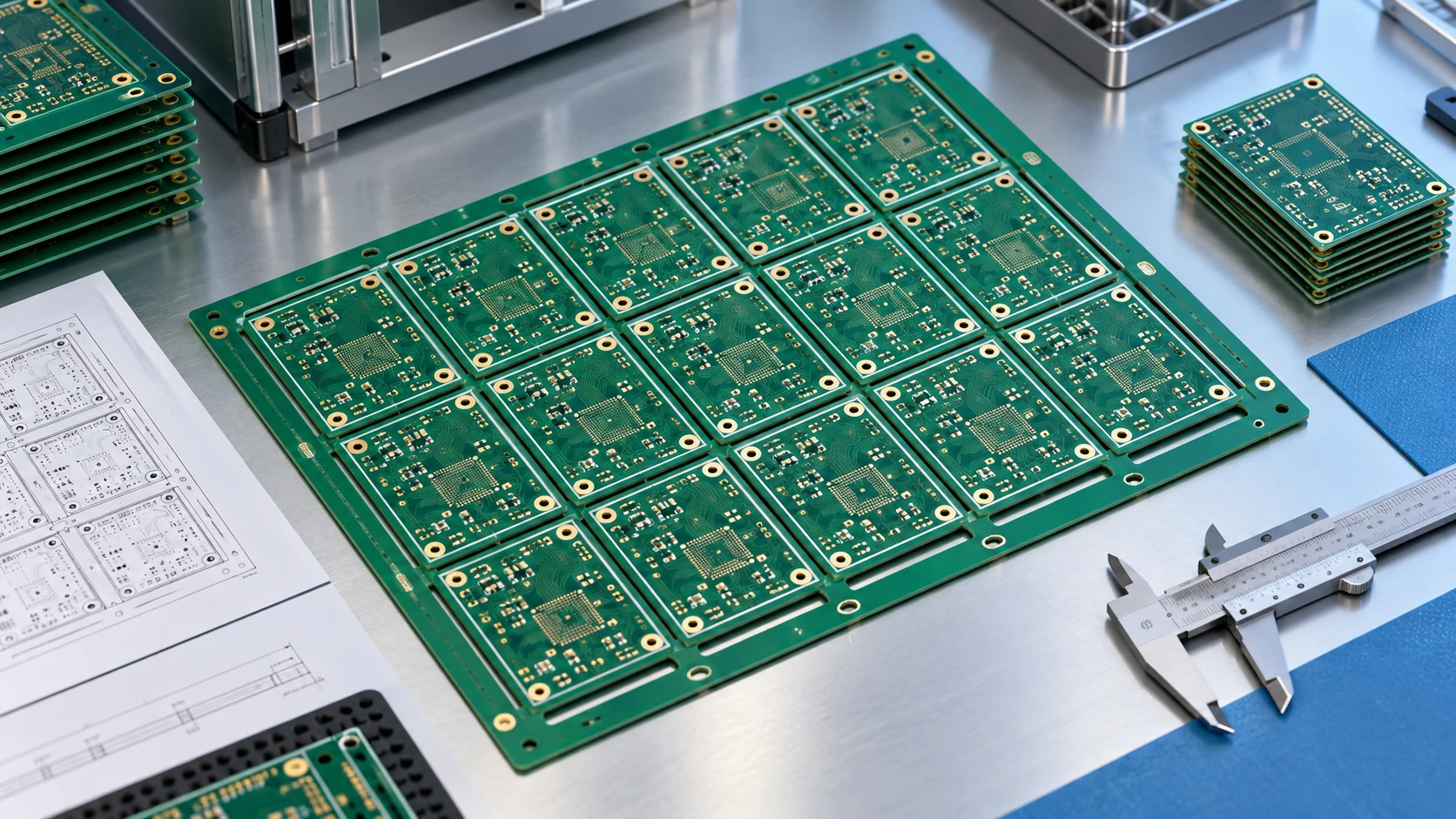
| Bare PCB | Layer count, material, dimensions, panel yield, finish and quantity | Is fabrication included, and which stackup and revision were quoted? |
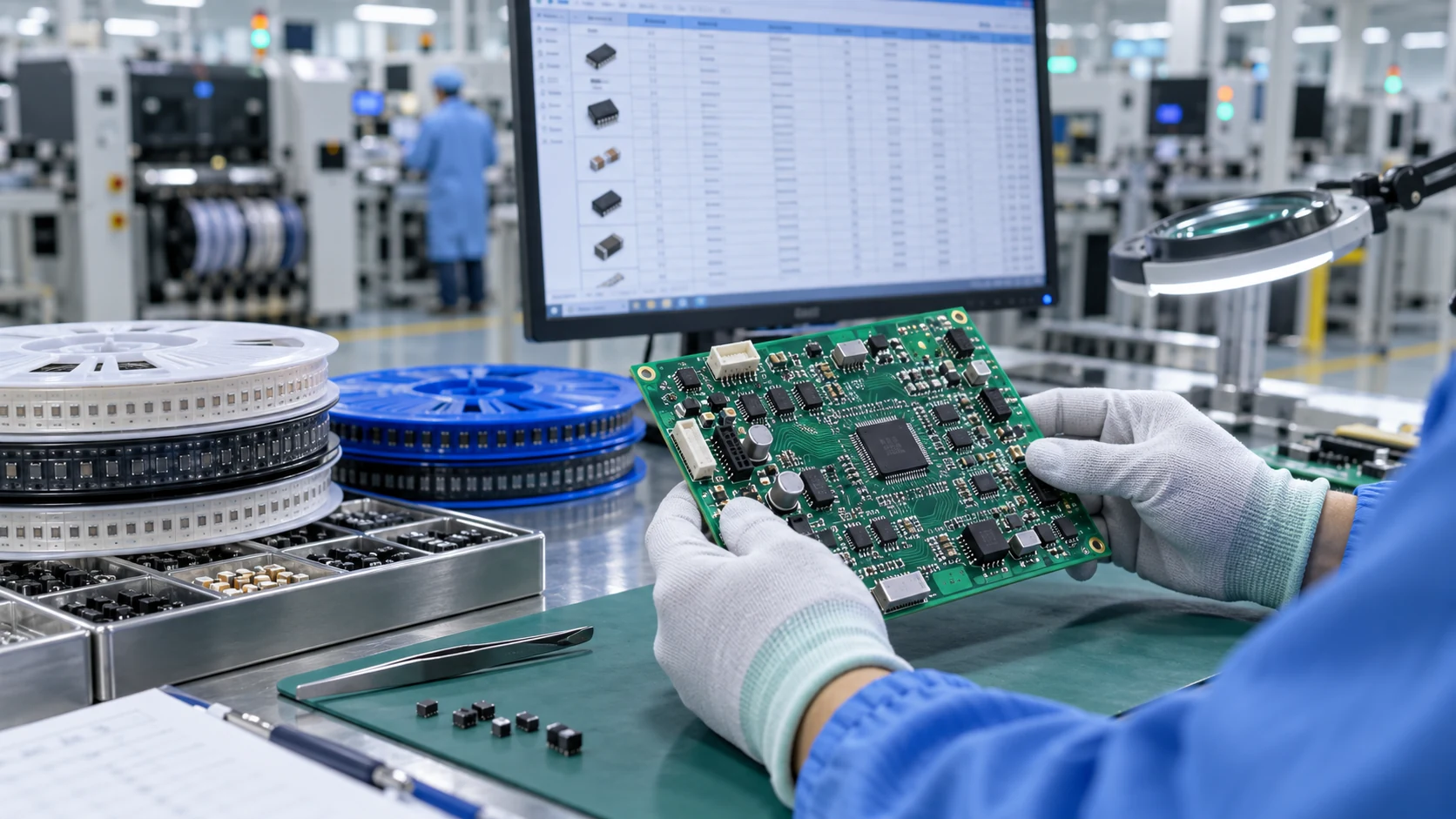
| Components | Approved MPNs, availability, minimum-order packs, alternates and attrition | Which parts are supplier-procured, customer-supplied or excluded? |
| SMT and through-hole assembly | Placements, sides, package mix, soldering route, hand work and setup | Are mixed technology, second-side placement and special processes included? |
| Inspection and test | SPI, AOI, X-ray, ICT, functional test, fixtures and records | What coverage, limits and deliverables are included? |
| One-time charges | Stencil, fixtures, programming setup and first-article work | Which charges recur on the next order or after a revision? |
| Delivery and exposure | Packaging, freight, excess stock, schedule and change control | Who owns unused material and what date starts the lead-time clock? |
Request both a per-assembly recurring price and a separate list of nonrecurring charges. A quote that omits a test fixture or customer-supplied material can look cheaper while increasing the actual project spend.
Component BOM, Sourcing and Material Risk
The bill of materials (BOM) can dominate an assembly quotation, but its share varies by design. A small board carrying an expensive semiconductor may be material-heavy; a board with many inexpensive placements may be more process-intensive. Avoid applying a generic percentage split to an unreviewed BOM.
Specify manufacturer part numbers, quantities per board, reference designators and approved alternatives. Identify lifecycle risks and parts with minimum-order quantities or packaging constraints. A low unit price from an unapproved source is not a saving if it creates counterfeit, substitution or schedule risk. Confirm whether purchasing, inbound inspection, ESD and moisture-sensitive handling, and expected placement attrition are included.
A turnkey, consigned or hybrid sourcing model changes which cost appears on the assembler's invoice. Consigned components are still part of total project cost, even when the assembler does not sell them. For a hybrid build, assign a sourcing owner to every BOM line and agree how shortages and unused stock will be handled.
Assembly Complexity, DFM and Yield
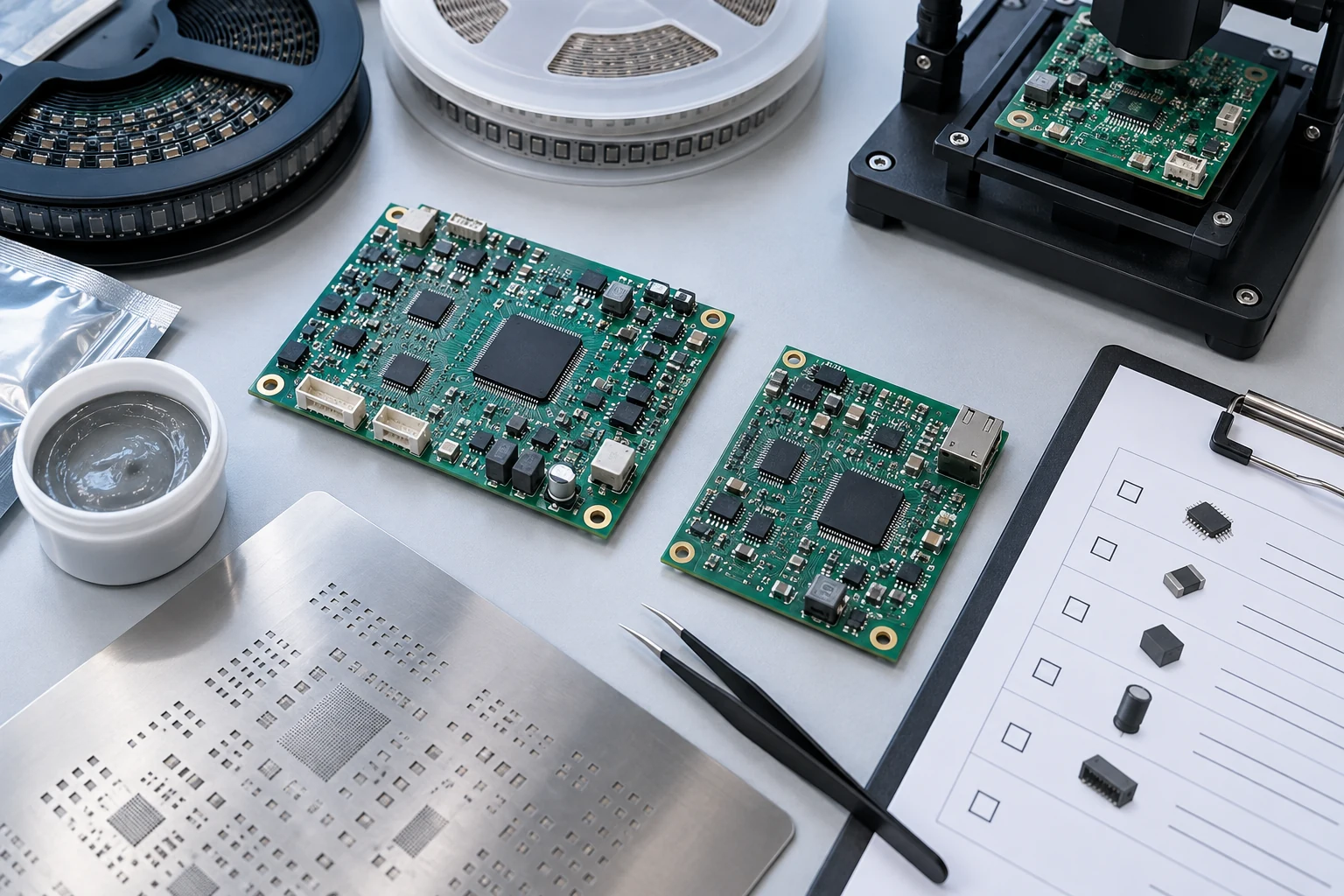
Placement count matters, but it does not describe the whole manufacturing effort. Fine-pitch BGA or QFN packages, very small passives, double-sided builds, through-hole parts, connectors requiring selective soldering, and unusual board shapes can change stencil design, support tooling, process route and inspection plan. Each additional operation can affect setup time and yield.
Panelization, fiducials, component spacing, thermal balance and test access should be reviewed before the quote is treated as final. A footprint or polarity ambiguity can create engineering questions, rework and delayed release. Process choices should follow the actual design; XinshunPCB's SMT assembly capability page lists placement, board-handling, soldering and inspection options, with specialist limits confirmed case by case.
For prototypes, setup and first-article work may be spread over few units. For repeat production, stable data, panel utilization, material packaging and a controlled process can improve the recurring economics. Do not assume a lower placement price automatically means a lower delivered cost if scrap, touch-up or retest rise.
Inspection, Testing and Quality Documentation
Inspection and test are separate cost decisions. SPI checks solder-paste deposits; AOI checks visible assembly features; X-ray helps evaluate hidden joints; ICT and functional testing address different electrical and operating questions. Define the required methods, sampling or coverage, acceptance limits, records and responsibility for fixtures before comparing prices. An untested assembly is not equivalent to one that passed a customer-specific functional procedure.
Workmanship class and the specified edition of standards also matter. IPC explains that J-STD-001 addresses soldering processes and materials while IPC-A-610 addresses post-assembly acceptability. Name the applicable class and contractual requirements rather than assuming every inspection is included. For traceability-critical projects, identify lot, build and test records to be delivered; IPC-1782 describes risk-based manufacturing and supply-chain traceability levels.
Fixtures, firmware programming, environmental protection, conformal coating and final system integration can be major separate items. Quote them explicitly when they are required, and ask whether an engineering change requires new tooling or validation.
Quantity, One-Time Charges and Lead Time
At low volume, setup, stencil and test-fixture costs are divided across fewer assemblies. At higher volume, unit labor may fall, but component price breaks, purchase minimums, inventory exposure and a more demanding quality plan can change the total. Ask for comparable quantities, such as prototype, pilot and planned annual volume, while holding the same design and acceptance scope.
Separate NRE (nonrecurring engineering) from unit price. Record who owns the stencil and fixture, how long they are retained, and whether they can be reused after a design change. A revised footprint or test strategy may create a new charge even when the board outline stays the same.
Lead time should be measured from a defined release point: approved design files, a resolved BOM, material readiness and purchase-order acceptance. Expedite fees cannot solve every long-lead part. Build a realistic schedule around component availability, bare-board fabrication, first-article approval, assembly, testing and shipment. If a supplier offers a faster quote, confirm what was assumed about stock and substitutions.
How to Compare Two PCBA Quotes Fairly
Imagine Supplier A quotes a lower assembly unit price but excludes customer-supplied components, X-ray and a functional-test fixture. Supplier B includes approved-component sourcing and the agreed inspections but lists the fixture as a separate one-time charge. The unit prices are not directly comparable. Add the missing material and service lines to the same scope, then compare both the first build and the expected repeat order.
- Freeze one revision: use the same Gerbers or ODB++, BOM, placement data and assembly drawing.
- Normalize the quantity: compare the same build size, delivery location and procurement terms.
- Reconcile the BOM: flag unavailable MPNs, alternates, customer-supplied lines and excess stock.
- Match acceptance: specify inspection, functional test, workmanship class and records.
- Separate recurring from one-time: expose stencil, fixture, programming and engineering charges.
- Record exclusions and timing: require a written assumptions list and material-ready start date.
This approach helps purchasing compare total landed cost and helps engineering see where quote differences reflect a different build plan rather than a different margin.
Send a Quote-Ready PCBA Package
A useful PCBA RFQ includes the bare-board fabrication package, a revision-controlled BOM with approved MPNs, placement coordinates, assembly drawings, quantity and target delivery date. Add the sourcing model, approved alternates, packaging constraints, programming instructions, test procedure, fixtures, acceptance criteria and required records. The PCB quotation file checklist covers the broader manufacturing package.
Ask suppliers to return a quote with the same headings: bare boards, components, assembly, testing, tooling or NRE, logistics, exclusions and validity period. If a component or test item cannot be priced yet, mark it as open instead of burying a placeholder in the unit rate.
XinshunPCB can review your build data and explain project-specific assumptions for prototypes or repeat production. Send your BOM and files through the PCBA quotation form, and tell us which costs you want separated for your procurement review.